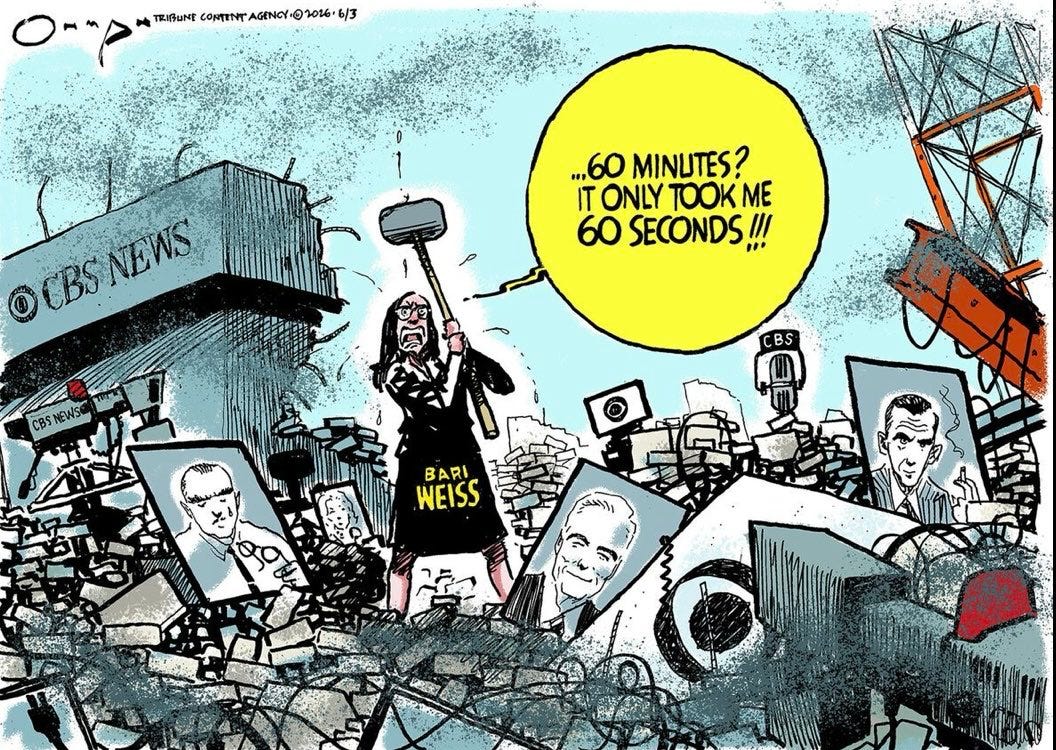
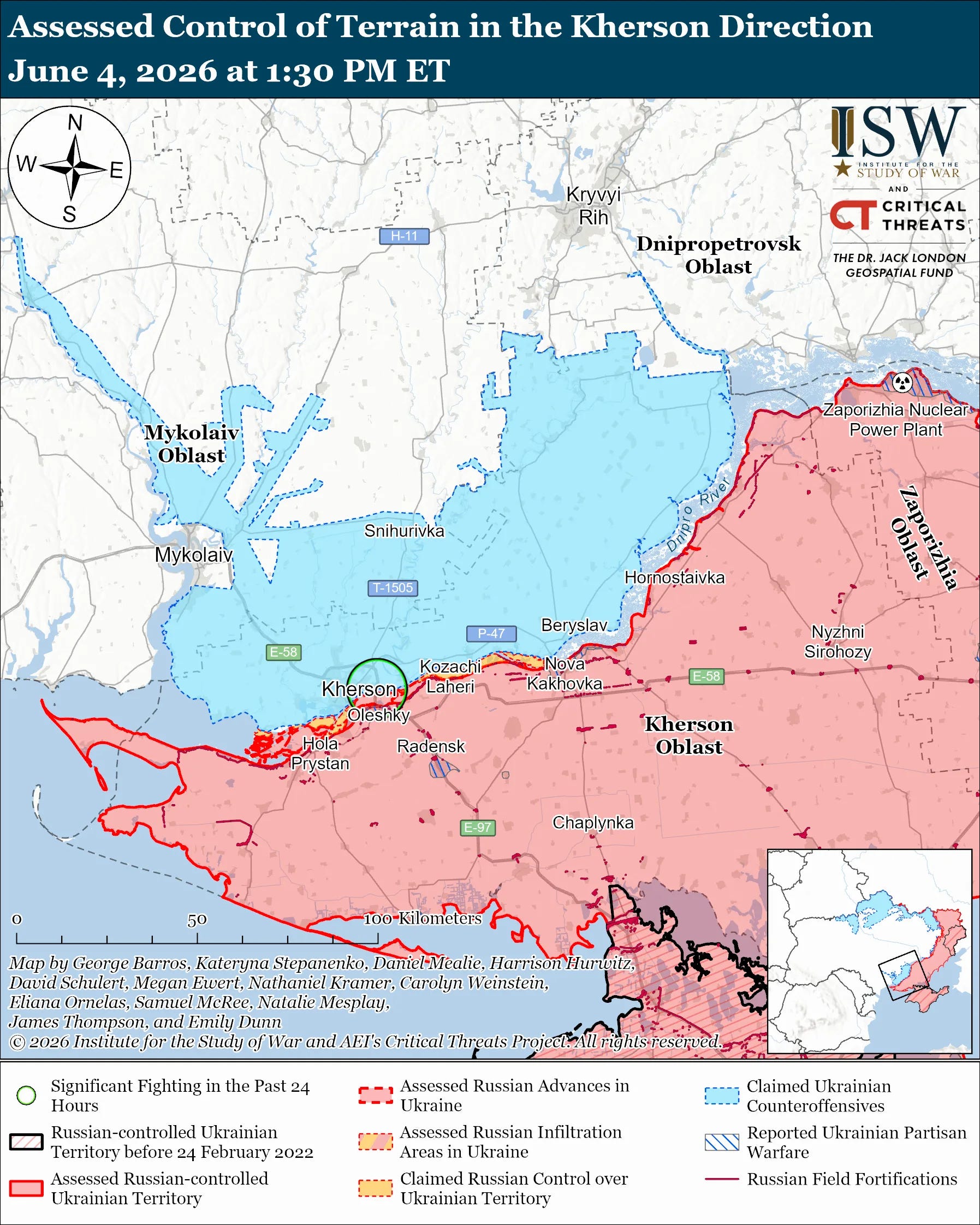
We’re being stress tested to the hilt with little change but lots of confirmation. Markets are pricing the possibility of peace, not the cost of a failed peace because it looks better on the leaderboard. The Black Sea remains a power negotiation table amid a floating battlefield. Turkey remains a hinge state. A Trump loyalist is the new DNI. China’s recruiting spies in the U.S. via job ads. Bari Weiss took a sledgehammer to 60 Minutes. Albanians take to the streets to protest Jared Kushner and his Affinity Partners real estate group. There was a Senate vote-a-rama overnight.
The labyrinth holds but we remain steady. Come read through the headlines, let’s dig, analyze and ponder. We’ve got maps, cartoons, art and more.
Thank you for reading this far. Paid subscribers get full access to Grounded Perspectives and our Friday wrap ups, plus much more. If you’re so inclined, throw a couple coins into our human battery fund — also known as mochas and green teas. We’re glad you’re here.
May we hear the voice before worshipping the reflection.— Ali & Asli
Bari Weiss’s overhaul of 60 Minutes has turned one of America’s most durable news institutions into a test of ownership, ideology, and editorial trust
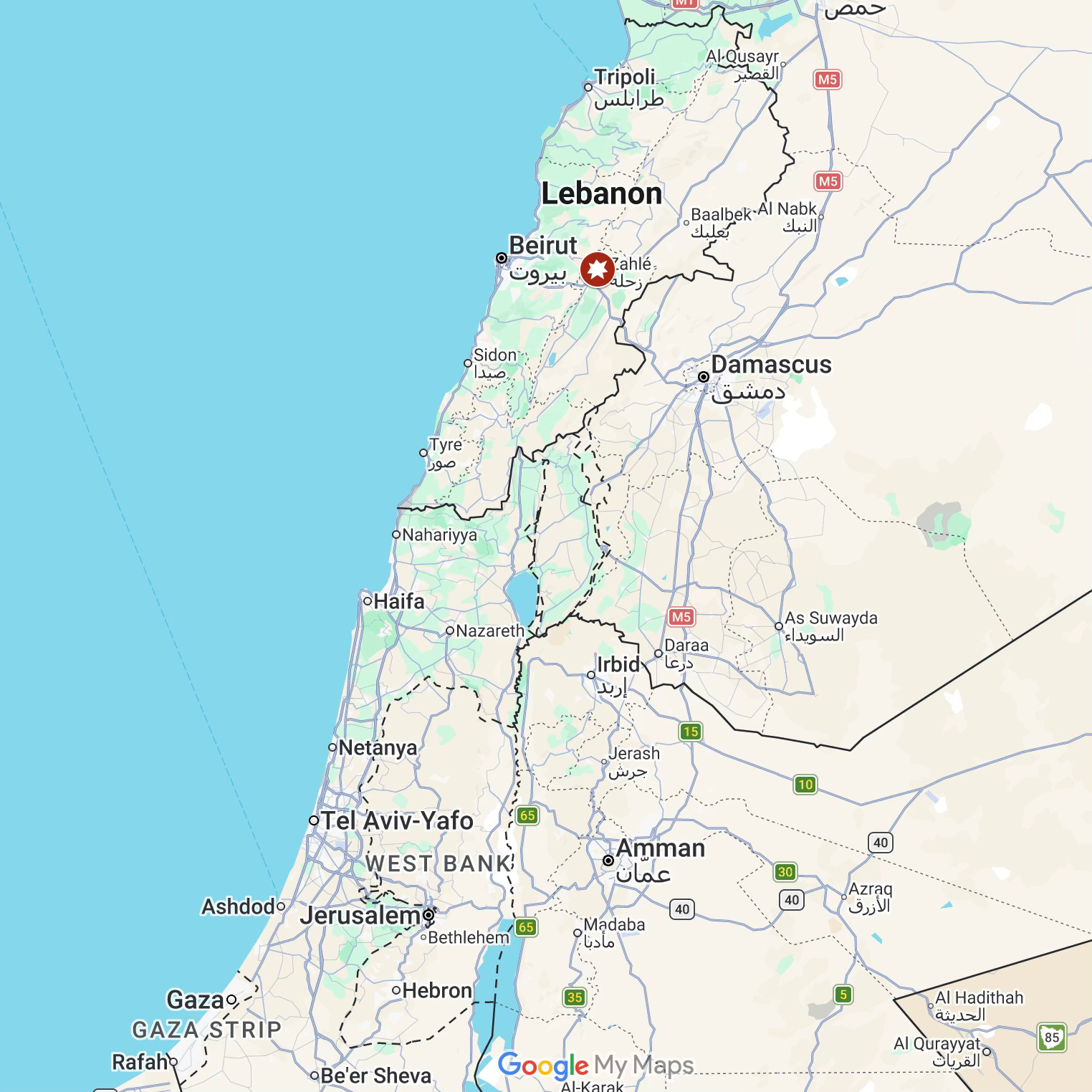
🎯 The U.S.-brokered framework between Israel and Lebanon was designed to create a controlled path away from open conflict. Its core demand was simple on paper and explosive in practice. Hezbollah would halt attacks and withdraw its fighters from areas south of the Litani River, while the Lebanese Armed Forces would deploy into “pilot zones” where no non-state armed group could operate. That would turn the Lebanese state, not Hezbollah, into the security authority in parts of the south. For Israel, that is the minimum political logic of the war, that Hezbollah’s border infrastructure must be dismantled, not merely paused. For Lebanon’s government, it is a chance to reassert sovereignty over territory where the state has long competed with Hezbollah’s military power. For Hezbollah, it is an existential concession dressed up as a ceasefire.
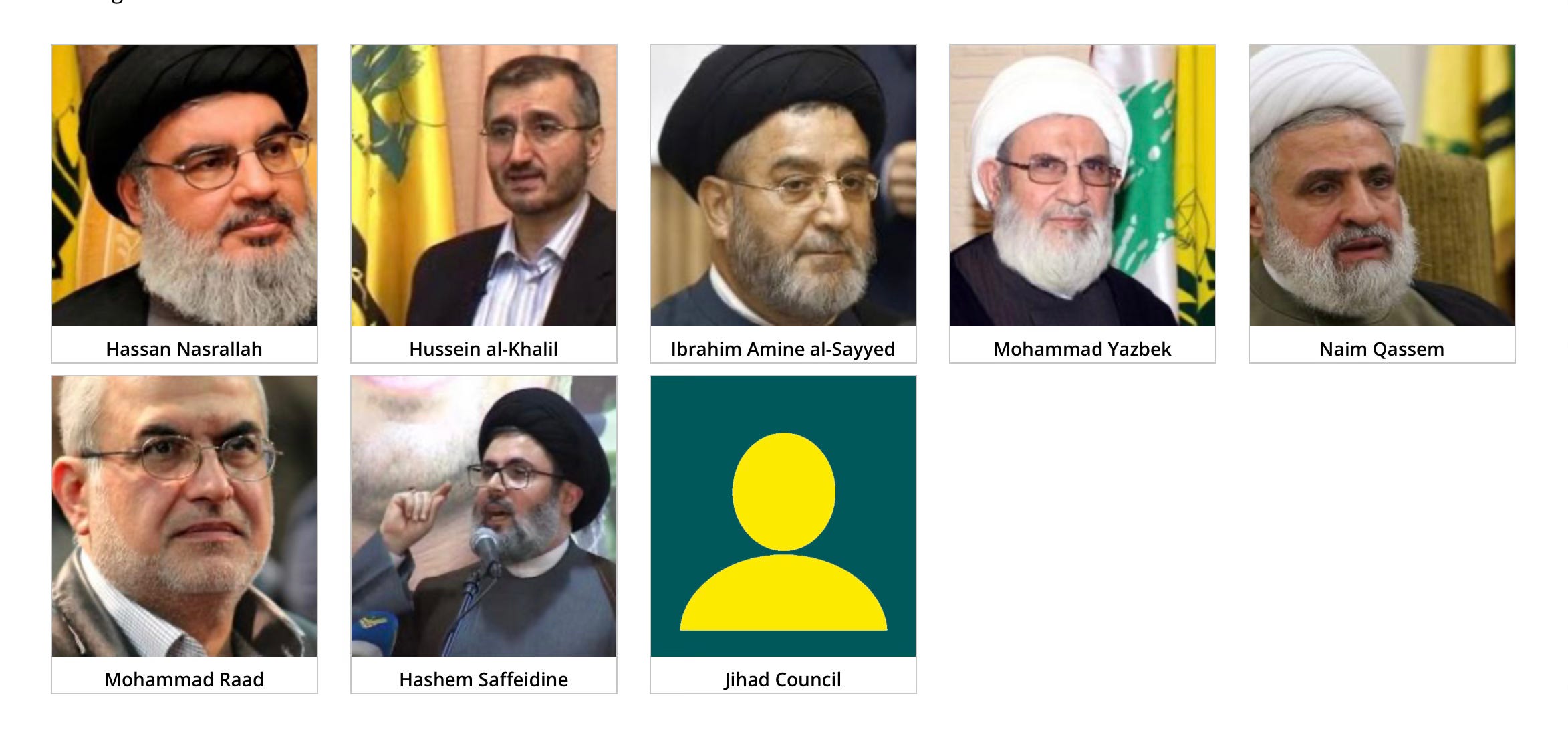
Hezbollah’s organizational structure via Eye On Hezbollah The Majlis al-Shura or “Consultative Council” is Hezbollah’s supreme and central decision-making authority on the national level. Nasrallah was killed in 2024.
That is why Hezbollah rejected the framework. Naim Qassem framed acceptance as surrender and returned to the group’s standing demand that includes a comprehensive ceasefire, a halt to Israeli operations, and Israeli withdrawal from Lebanon before Hezbollah’s own military position is seriously altered. Hezbollah wants the battlefield frozen only after Israel gives up the core objective of its campaign. Israel wants the opposite. No durable ceasefire unless Hezbollah’s military threat in southern Lebanon is dismantled. The gap is not a misunderstanding. It is the dispute itself.
Iran’s role is what turns this from a Lebanon story into a regional bargaining story. Tehran and Hezbollah are treating Lebanon as leverage in the same negotiation that includes sanctions relief, oil access, maritime pressure, and the Strait of Hormuz. If Hezbollah accepts a ceasefire that pushes it north of the Litani and places the Lebanese Armed Forces in exclusive control of southern zones, Iran loses one of its pressure points. If Hezbollah refuses, Lebanon remains a live front that Tehran can use to complicate Washington’s search for a broader deal. The ceasefire framework therefore functions less like a peace proposal than a test of Iran’s regional leverage.
The same pattern is playing out at sea. Iran has tried to give its control over the Strait of Hormuz a veneer of legality, framing new fees as payment for “services,” “protection,” navigation, and environmental oversight. But the practical meaning is much darker. Iran is offering ships protection from the threat environment Iran helped create. After attacks, mines, disrupted passage, forced routing, and claims of regulatory authority over waters other Gulf states consider their own, Tehran is trying to convert coercion into administration. It is not only squeezing a chokepoint. It is trying to make the squeeze look lawful.
That is the connective tissue between Lebanon and Hormuz. In both theaters, Iran’s strategy is to create hard facts. Armed presence in southern Lebanon, maritime control in the strait and then force negotiations to begin from those facts. Hezbollah’s rejection keeps the land front alive. Iran’s legal language around Hormuz keeps the sea front negotiable on Tehran’s preferred terms. Both are designed to defer the hardest concessions while strengthening Iran’s hand against the United States.
Markets are still trading on the possibility of de-escalation, but the diplomatic picture is far messier. Washington wants a nuclear settlement and a way out of a war that is becoming politically and economically harder to contain. Israel wants Hezbollah dismantled as a border threat. Lebanon wants state authority restored without being consumed by another round of war. Hezbollah wants survival without disarmament. Iran wants sanctions relief, oil revenue, and leverage over the world’s most important energy chokepoint.
The result is a ceasefire framework that exists on paper while the battlefield keeps voting against it. Lebanon is the pressure gauge. Hormuz continues to be the valve. Until both are addressed together, every ceasefire announcement risks becoming another pause between escalations rather than a path out of the war. We remain inside the labyrinth.
Inside Iran, the cost of that sequencing is becoming visible from Evin Prison. Iranian-American journalist Reza Valizadeh, detained in Tehran’s notorious prison, sent out a recorded plea asking the U.S. government to secure medical help for him and other Americans held there. He said four Americans in Evin are suffering from various illnesses and are being denied real medical care, while his lawyer says Valizadeh has struggled with coughing, back pain, and dental problems since fires caused by last year’s Israeli strike on the prison. CBS News reported that the State Department believes six Americans are detained in Iran, but that none are expected to be released as part of the truce now being negotiated. Valizadeh is one of the six detained along with Kamran Hekmati, a 61-year-old Iranian Jewish American jeweler and businessman from New York. He has been held on charges related to visiting Israel in the past decade. He suffers from bladder cancer and requires consistent medical treatments. The current strategy is to end the fighting first, reopen the diplomatic track, and then handle the hostage issue separately. That may reduce one kind of risk, but it creates another. The people inside Evin remain bargaining chips inside a negotiation that keeps moving around them. If Hormuz is the valve. Evin is the holding cell.
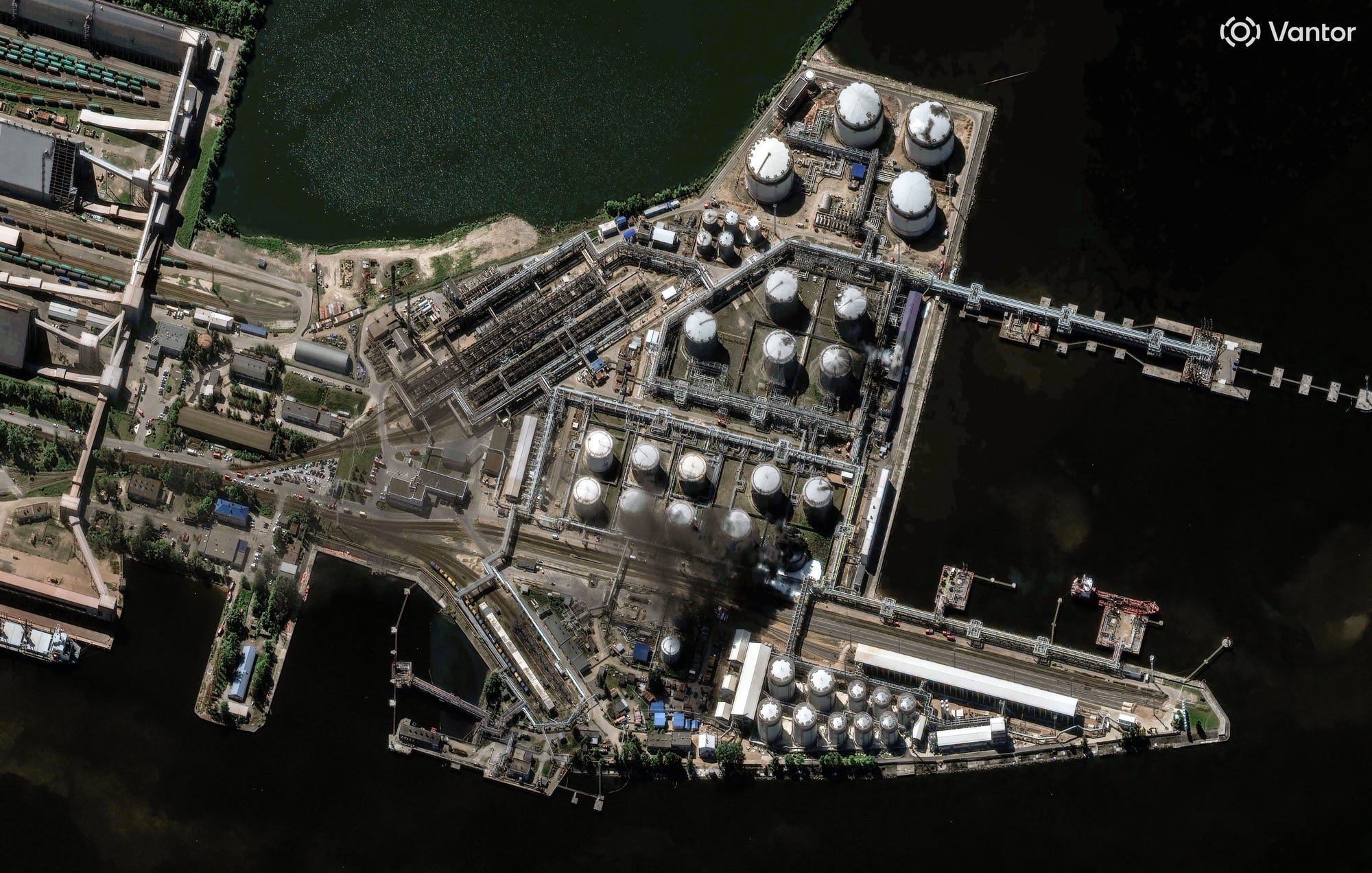
🎯 Russia launched a devastating missile and drone assault across Ukraine this week, killing 23 people and wounding more than 130, while Ukraine struck deep into Russia, hitting the St. Petersburg Oil Terminal and sending smoke over Putin’s Davos-esque showcase economic forum,Saint Petersburg International Economic Forum. Candace Owens, US Commission of Fine Arts Chairman Rodney Mims Cook, Jr. (the one working on Trump’s ballroom), and American actor Steven Seagal were among Putin’s American guests.
The timing was brutal for Moscow. At a conference meant to project resilience and investment potential, Russia instead displayed the split-screen reality of a long war. Nationalists argued for years, even decades, of confrontation with the West, while others pointed to economic stagnation and the benefits of ending the war. The message from Ukraine’s long range strikes was simple. Russia can keep pushing the war into Ukrainian cities, but it can no longer keep the consequences away from its own strategic rear.
Ukraine is fighting on three fronts now: the battlefield, Russia’s strategic rear, and Europe’s manpower debate.
EU ministers broadly supported a proposal to limit temporary protection for new Ukrainian male arrivals of military age, even as Ukraine moves toward a clearer timetable for EU accession talks. The signal is ugly but important. The refugee question is becoming a manpower question. Europe is no longer only managing protection, reconstruction, and integration. It is being forced to confront Ukraine’s war-sustainment problem in demographic terms: who can stay, who may have to return, and how long a country can fight while millions of its citizens remain outside its borders.
Taken together, the week showed a war entering a harder phase. Kyiv is offering negotiations while expanding its strike reach. Moscow is escalating from the air while trying to protect the illusion that the war can remain distant from Russian life. Europe, meanwhile, is discovering that solidarity eventually acquires numbers like ammunition stocks, accession chapters, refugee rules, and men of fighting age.
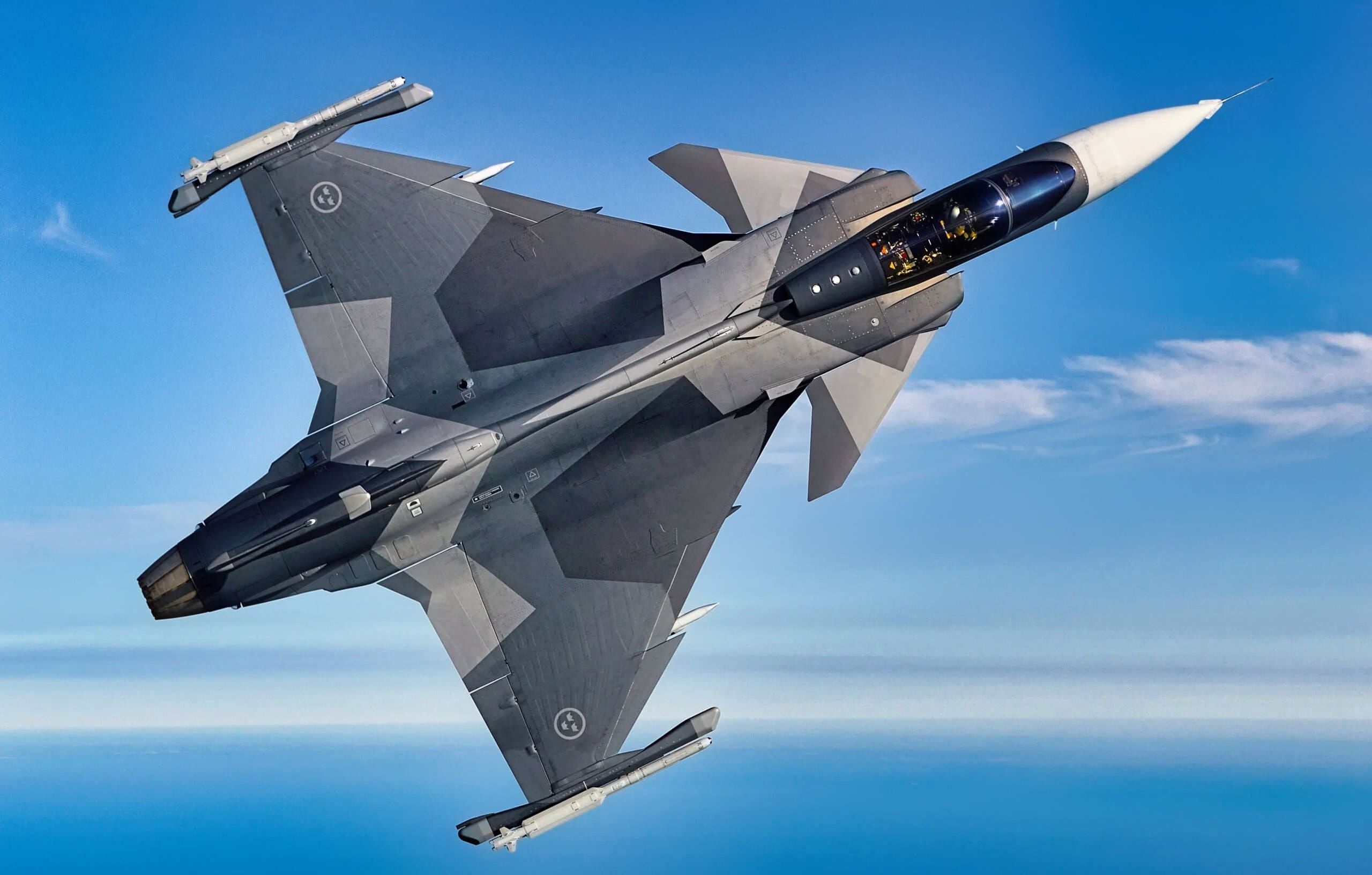
🎯 Ukraine is becoming the testing ground for Europe’s next war plan | Sweden’s Gripen is entering Ukraine’s air war at exactly the moment Europe is being forced to think beyond donations and toward long-term force design. Ukraine is buying 20 new Saab JAS 39 Gripen E fighters and Sweden is donating 16 older models, with a broader deal potentially expanding to as many as 150 aircraft. The aircraft matters because it was built for the kind of war Ukraine is already fighting. Dispersed operations, quick turnaround, lower operating costs, and the ability to fly from roads and basic airstrips rather than pristine bases vulnerable to Russian missiles. This is bigger than procurement. Ukraine is becoming the live battlefield test for Europe’s defense-industrial future. Not just which weapons can be delivered, but which systems can survive, adapt, and keep flying under sustained Russian pressure.
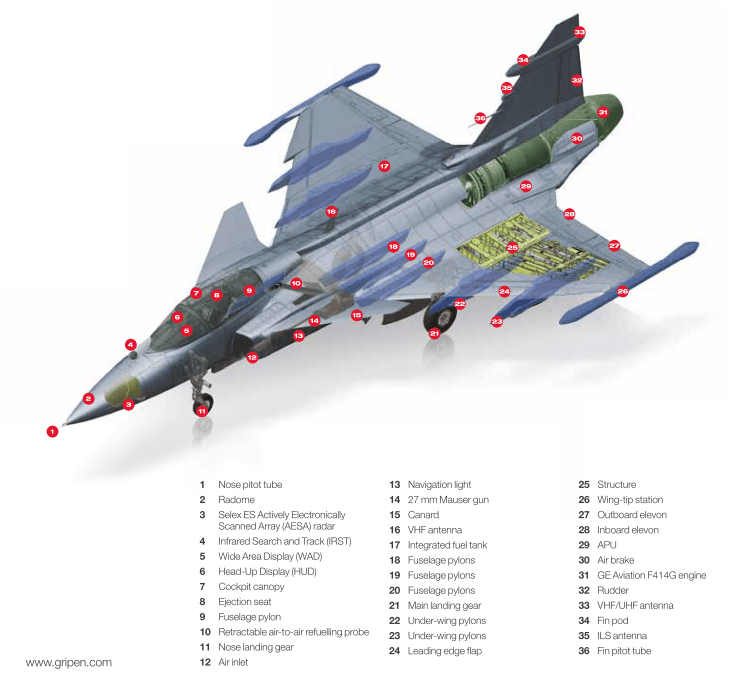
“Gripen E has the powerful GE F414G engine, great range and the ability to carry an impressive payload with its ten hard-points. It also has a new AESA-radar, Infrared Search and Track System (IRST), highly advanced electronic warfare and communication systems. The E-series redefines air power for the 21st century by extending operational capabilities.”
🎯 Taiwan is building a missile wall | Taiwan plans to expand its anti-ship missile arsenal to more than 1,800 by early 2029, leaning into a “kill zone” strategy in the Taiwan Strait against a possible Chinese invasion or blockade. The build-up centers on U.S.-made Harpoons, domestically produced Hsiung Feng missiles, mobile launchers, drones, radars, and a new Littoral Combat Command designed to coordinate coastal defense. The logic is straight out of the Ukraine and Iran lesson book. Go for cheaper, distributed, survivable weapons that can emerge after an opening bombardment and make invasion or blockade too costly to sustain.
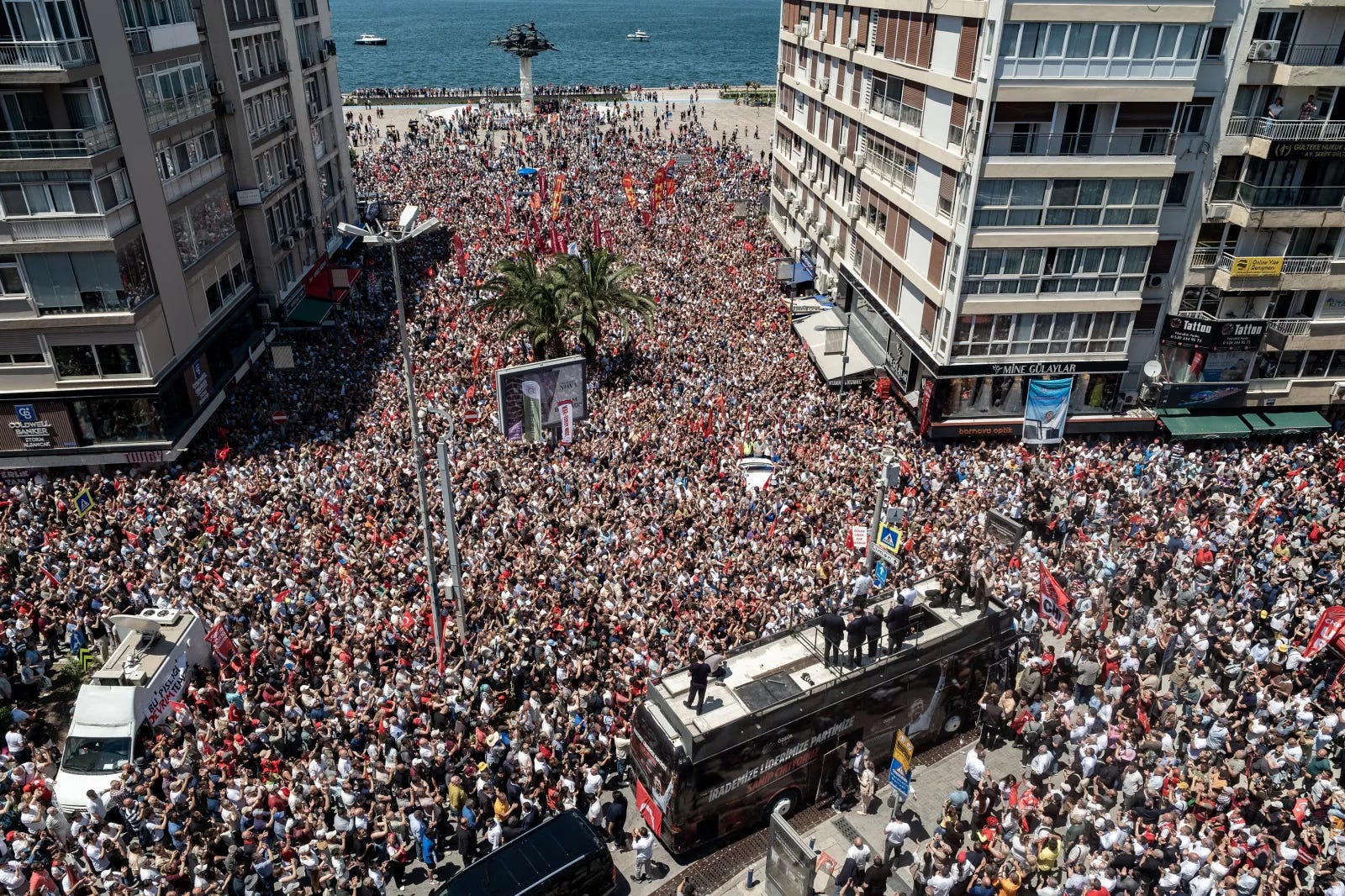
Turkey's Republican People's Party (CHP) ousted leader Özgür Özel stands atop of a bus as he delivers a speech during a rally, days after a court dismissed him from office in Izmir on May 26, 2026. (Photo by Murat Kocabas / AFP via Getty Images)
🎯 Turkey’s domestic crisis meets the Black Sea battlefield and Beyond | The Black Sea has become both a power-negotiation table and a floating battlefield. The place where NATO caution, Russian pressure, Ukrainian reach, Turkish mediation, and maritime risk now collide. Turkey sits at the center of that map, trying to remain one of the few NATO capitals still positioned between Kyiv and Moscow while a political crisis at home tests the strength of its own institutions.
“Turkey is now facing a profound political and economic unraveling: President Recep Tayyıp Erdoğan’s government, having captured much of the state apparatus, is attempting to eliminate the last meaningful democratic alternative while society sinks deeper into economic hardship, social frustration, loss of trust in public institutions and distrust in the future.”
— Özgür Özel is the leader of the main opposition party in Turkey and a member of Parliament from Manisa province
Turkey’s main opposition crisis has moved from party politics into a full institutional stress test. A court annulled the CHP’s 2023 congress, removed Özgür Özel from leadership, and reinstated Kemal Kılıçdaroğlu. A ruling critics called a “judicial coup” and one that shook markets while deepening concerns about judicial independence. Özel is not going quietly. He drew tens of thousands in Ankara, led supporters toward Atatürk’s mausoleum, and framed the fight as larger than the CHP itself: not an internal succession quarrel, but a national democratic issue. Erdoğan, meanwhile, is trying to stand outside the frame, saying the government is not involved in the CHP’s legal disputes, while the pressure continues to spread through opposition-controlled municipalities.
“Turkey’s strategic importance makes this danger especially acute: as gatekeeper of the Black Sea, NATO’s second-largest military power, and a crossroads of Europe, Eurasia, the Middle East, and the Eastern Mediterranean, its role in migration, energy, and regional security means democratic collapse would not remain within its borders.
History also shows that governments facing domestic instability and declining legitimacy often externalize their crises. Foreign policy confrontation, militarized rhetoric, and geopolitical adventurism become substitutes for the democratic consent and economic success they can no longer provide. Under such conditions, foreign policy crises are framed as questions of national survival.”
— Özgür Özel is the leader of the main opposition party in Turkey and a member of Parliament from Manisa province
At the same time, Ankara is back in the Russia–Ukraine mediation frame. Zelenskyy has proposed direct talks with Putin in a neutral country and named Turkey as one possible host. That matters because Turkey remains one of the few states still able to speak to both sides: a NATO member that supplies Ukraine, avoids Western sanctions on Russia, controls access between the Mediterranean and the Black Sea, and treats the Black Sea as a core strategic theater.
But the maritime risk is moving closer to Turkey’s own coastline. Three tankers were reportedly struck by drones near Turkey’s northern Black Sea coast last week, with crews safe but the message unmistakable. The Russia–Ukraine war is no longer contained to trenches, cities, and airfields. It is bleeding into shipping lanes, shadow-fleet logistics, energy routes, and the maritime space where Turkey’s mediator role meets its security exposure.
That pressure lands on top of an already fragile economy. April inflation rose 4.18% month-on-month and 32.37% year-on-year, while political instability has added pressure to the lira. JPMorgan expects Turkey’s central bank to raise its key rate from 37% to 40%, possibly before or at its June 11 meeting. Turkey is therefore managing three unstable fronts at once. An opposition crisis at home, a war at sea, and an inflation-sensitive economy that has little room for another geopolitical shock.
In other Turkey news, Erdoğan is using Istanbul’s Global Islamic Economy Summit to project economic leadership beyond the domestic crisis. The summit, held June 3–6 under the theme “Capital in the Islamic Economy: Structuring Wealth for Sustainable Development,” brings policymakers, central bank governors, investors, financial institutions, and academics to the Istanbul Financial Center. Ankara is framing Islamic finance as part of Turkey’s long-term investment strategy and a way to boost trade and capital flows within the Organization of Islamic Cooperation. That gives Erdoğan a convenient external stage: while the CHP crisis tests institutional legitimacy at home, he is presenting Turkey as a hub for ethical religious finance, sustainable development, and Muslim-world economic influence.
What Else Mattered This Week:
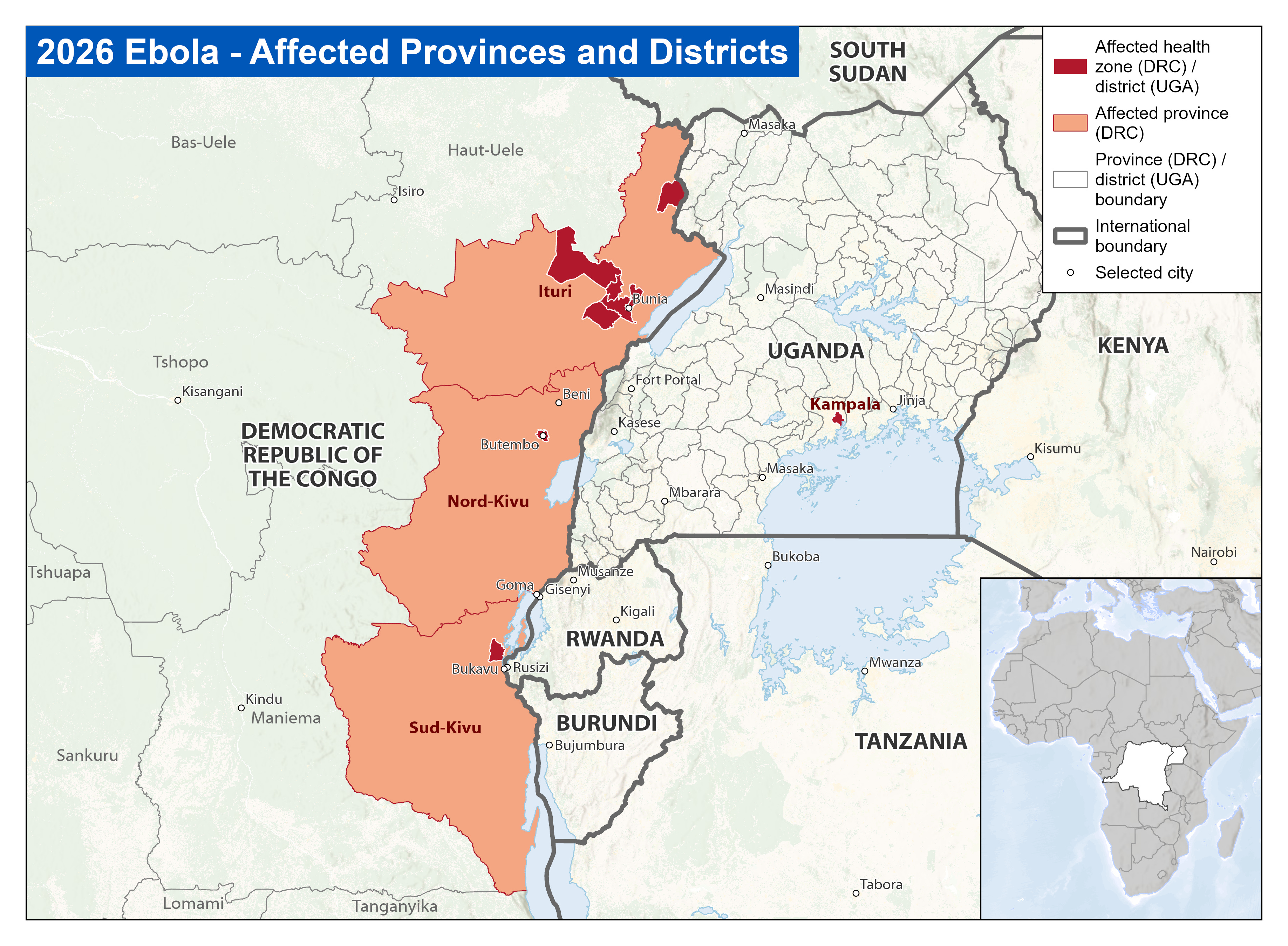
📍Congo’s Ebola outbreak is colliding with war | Congo’s Ebola response is still chasing the virus through one of the worst possible operating environments. Rebel-held territory, public mistrust, unsafe burials, misinformation, and active attacks on civilians and health workers. The WHO says testing has improved, but the response remains behind, with confirmed cases spreading across eastern Congo and into neighboring Uganda. Islamic State-linked ADF fighters killed civilians near Ebola-hit areas, while an Ebola burial team was attacked in South Kivu, forcing responders to abandon a coffin that was later handled by community members — exactly the kind of unsafe contact that can seed new chains of transmission. This is no longer only a health emergency. It is a conflict-zone containment problem, where contact tracing, burial teams, vaccines, treatment centers, and public trust all have to move through the fog of war.
The virus is spreading through geography that the state does not fully control, and that may be the most dangerous part of the outbreak.
To date, the Ebola disease outbreak in DRC has been confirmed in Ituri, Nord-Kivu, and Sud-Kivu provinces. Cases related to the DRC outbreak also have been reported in Uganda's capital of Kampala | map via CDC
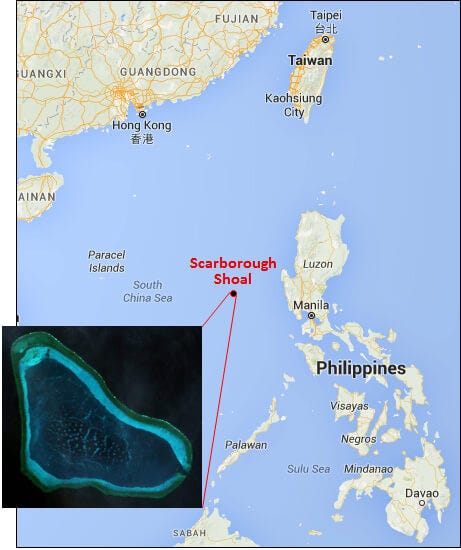
📍Scarborough Shoal flashed again | Satellite images showed a suspected temporary structure at the entrance to Scarborough Shoal’s lagoon last week, with later imagery suggesting it disappeared days later. The Philippines said it was investigating the reports, while the episode fit a familiar South China Sea pattern. China tests control through provisional facts on the water. Buoys, barriers, patrols, maritime militia, “nature reserves,” and objects that appear before diplomacy can catch up. It is a small detail with a large shadow. At Scarborough Shoal, even something temporary can signal a permanent ambition.
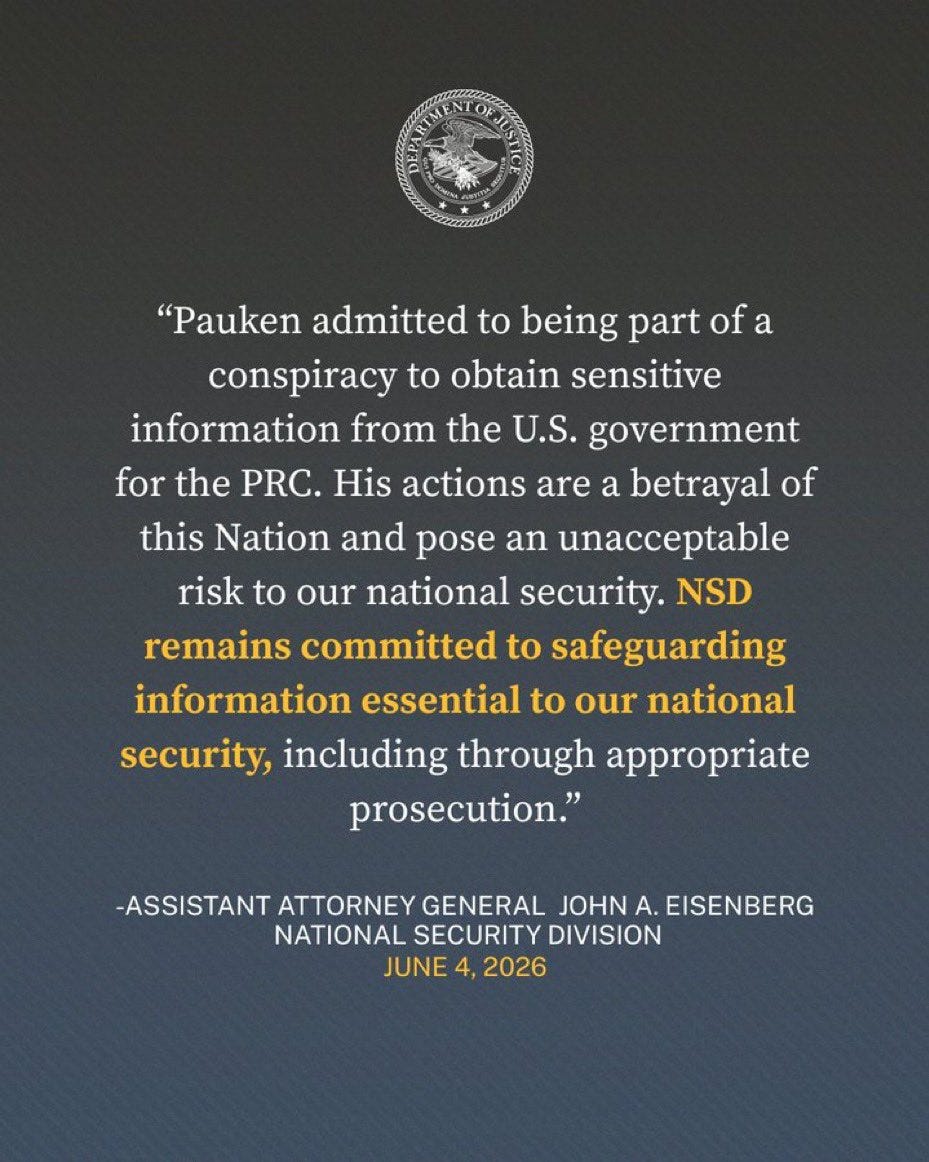
📍 China’s Spycraft Moves Through LinkedIn, Lobbying, and Political Access | An American citizen, Thomas Weir Pauken II, pled guilty to acting as an agent of the People’s Republic of China while inside the United States. According to the Justice Department, Pauken admitted he worked under the direction of PRC-linked handlers, including individuals identified as “Cathy,” “Richard,” and “William,” and tried to cultivate U.S. political contacts, identify potential intelligence assets, and gather information for China’s Ministry of State Security. DOJ said he received at least $100,000, traveled repeatedly between China and the U.S., and also sold reports to Wuhan-based clients seeking help finding an expert for cyber-espionage activity.
That case landed alongside a rare Five Eyes warning that Chinese intelligence services are using LinkedIn and other job platforms to target military, government, defense, academic, journalistic, and policy-adjacent professionals. The reported method is less cloak-and-dagger than career-ladder with fake recruiters, fake consulting firms, paid “trial reports,” then gradual pressure for more privileged information.
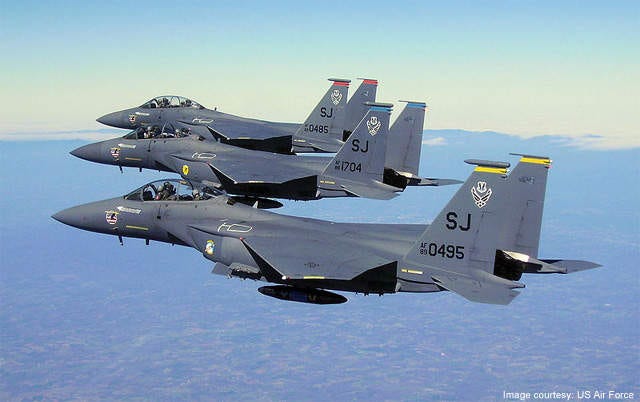
📍The Iran air war produced one of its strangest survivability stories. According to Sean D. Naylor’s The High Side, later corroborated by CBS News citing two people familiar with the incidents, the pilot of the U.S. Air Force F-15E Strike Eagleshot down over Iran on April 3 had also been flying one of the three F-15Es downed in a Kuwaiti friendly-fire incident at the start of the war. CENTCOM had previously confirmed that all six aircrew safely ejected from the three F-15Es involved in the Kuwait incident, while CBS reported that the same pilot was back in the air just over 30 days later when his aircraft was hit by a surface-to-air missile over Iran. The episode is remarkable not only for the pilot’s survival, but for what it reveals about the tempo and strain of the campaign: crowded coalition airspace, rapid return-to-duty cycles, Iranian air defenses still capable of reaching U.S. aircraft, and a war whose operational risks are accumulating faster than the political language around it.
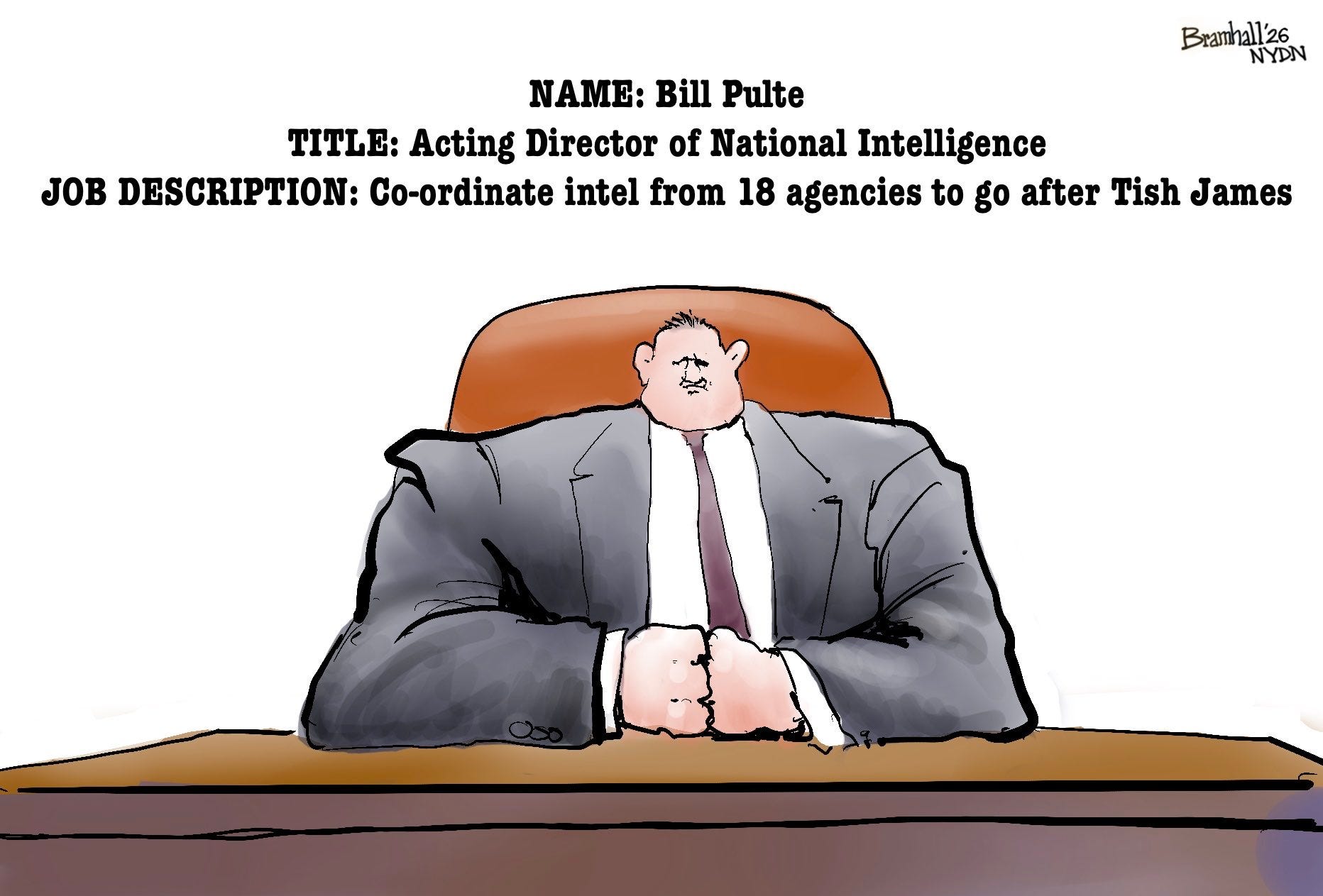
📍The Intelligence System Gets a Loyalty Test | Trump’s decision to name Bill Pulte, the head of the Federal Housing Finance Agency, as acting Director of National Intelligence triggered bipartisan alarm because Pulte has no intelligence or national-security background. The DNI oversees the U.S. intelligence community, meaning the role is not just ceremonial. It sits at the center of how threats are assessed, secrets are protected, and intelligence priorities are coordinated across the government. Trump later said Pulte would not be nominated for the permanent job, but the appointment still matters. It places a political loyalist with a record of targeting Trump’s opponents inside one of the most sensitive nodes of the national-security state, even as foreign adversaries are actively trying to recruit, compromise, and exploit people with access.
Foreign espionage looks for weak doors from the outside. Politicized appointments can create weak doors from within.
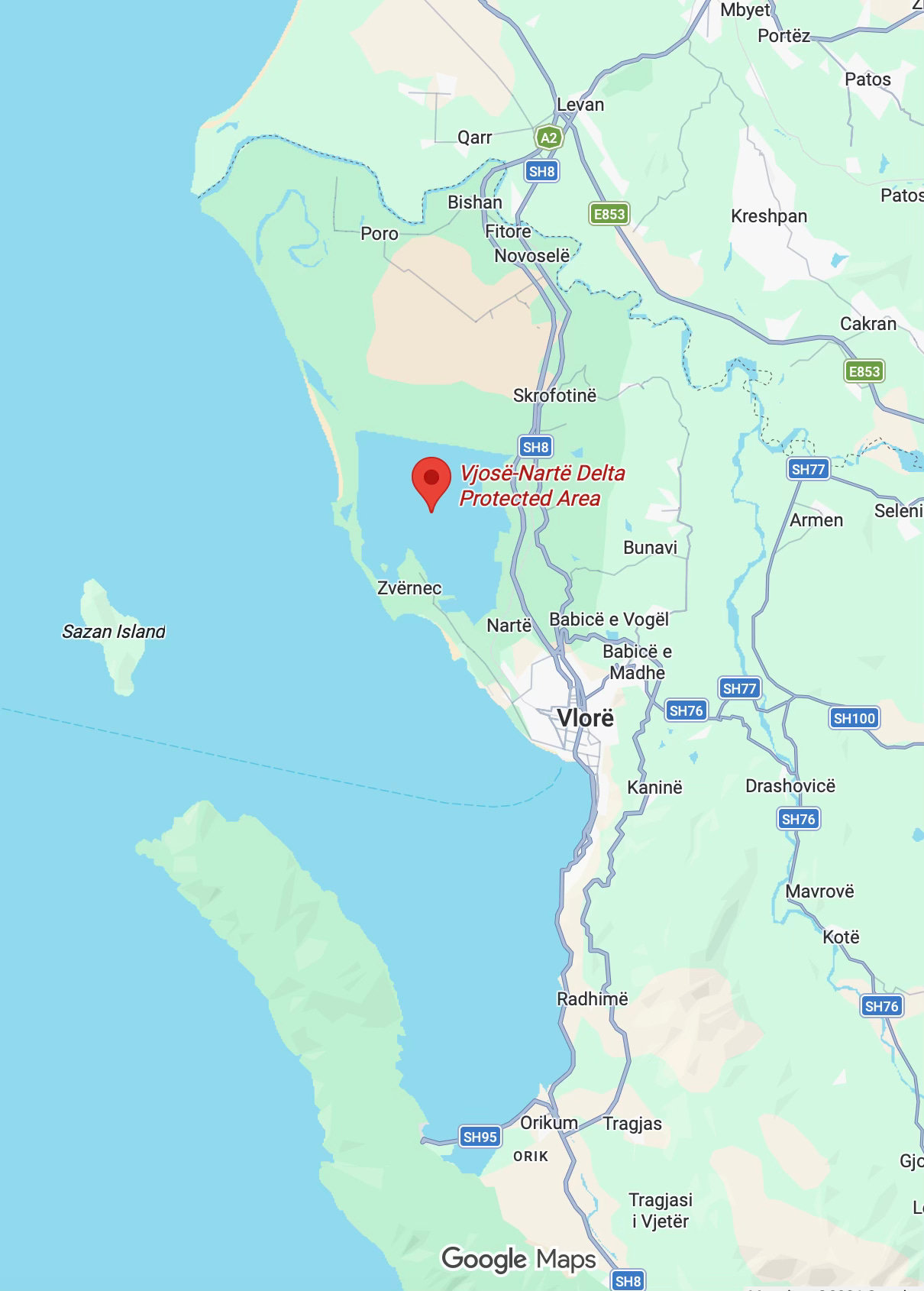
📍Thousands of Albanians protested in Tirana against a €1.4 billion luxury resort linked to Jared Kushner’s Affinity Partners near the Vjosa-Narta protected wetlands on the Adriatic coast. Environmentalists warn the project threatens flamingos, seals, sea turtles, and hundreds of hectares of undeveloped coastline, while protesters accused the government of selling off national heritage under the banner of foreign investment.
Environmentalists warn the project threatens flamingos, seals, sea turtles, and hundreds of hectares of undeveloped coastline
📍After an all-night vote-a-rama, the Senate passed a roughly $70 billion bill this morning to fund ICE and Border Patrol through the rest of Trump’s term. The 52–47 vote came with no Democratic support and now sends the bill to the House, while failed amendments to block a controversial $1.8 billion “anti-weaponization” fund exposed unease even among some Republicans. The bigger story is institutional, of course. Immigration enforcement is being expanded not only through policy, but through long-term budget architecture. Agents, detention capacity, deportation machinery, and political grievance funding moving through the same pipe.
Doroni H1-X Flying Car in 2050?! (invented by Doron Merdinger)
If Morgan Stanley’s forecast is right, the flying car industry will grow 185,850% by 2050, reaching $9 trillion. More than twice the size of today’s global car market. The number sounds absurd until you widen the category. This is not only about flying taxis, but drones, eVTOL aircraft, logistics, emergency response, tourism, surveillance, short-hop transport, and the low-altitude infrastructure that would make all of it work.
Echo was a lively talkative nymph whose own voice was taken from her after Hera cursed her to repeat only the last words spoken by others. When she saw Narcissus, she fell in love, but she could not speak freely or express herself in her own words. When Narcissus calls out "Is anyone here?", Echo answers, "Here!" Narcissus cannot see her through the dense woods, so he truly believes someone is mocking him or playing a game. When he shouts, "Let us come together!", Echo joyfully repeats the phrase and rushes out to fling her arms around him. To Narcissus, this sudden physical ambush feels like an intrusion, an aggressive trap, an assault on his autonomy rather than an act of love. Narcissus, angered and paranoid, panics and cries out, "Hands off! May I die before you enjoy my body!". Echo can only repeat, "Enjoy my body!". This final forced repetition makes her sound predatory to him, sealing her rejection.
The tragedy is not just that Echo is rejected, but that she is rejected for a personality she does not possess, completely stripped of her ability to explain herself.
After this cruel misunderstanding and rejection, Echo withdraws in grief until her body fades away and only her voice remains. Losing her body, she is now just an echo. As punishment for his hardness and preemptive vain judgement, Narcissus was made to fall in love with his own reflection in the pond thinking it was a beautiful water spirit nymph because he mistook the reflections in the water for another human and not simply a reflection of himself. Confused and angered that he cannot touch the perceived water spirit, he’s left unable to recognize or reach what he desired, never to feel reciprocated love and he too wastes away by the water, leaving behind the place the narcissus flower (daffodil) that first bloomed in Boeotia, Greece.
But in a second surprise tragedy in Ovid’s Metamorphosesoccurs when Narcissus finally realizes the truth. As his tears fall into the pool, they ripple the water and distort the face. Sadly, his tears are entirely born out of pure, self-absorbed despair over his own situation. He is so thoroughly consumed by the curse of self-love that he remains oblivious to the pain he caused others, including Echo. As his tears fall into the pond, they ripple the water and cause his reflection to warp and disappear. He panics and cries out, begging the image not to abandon him: "Where do you fly to? Stay, cruel one, do not abandon one who loves you!"
Watching the image warp, he suddenly understands that the movements are perfectly tied to his own. He famously laments, “I am he! I have felt it, I know now my own image.” Sadly, even after discovering it is himself, the curse ensures he is so deeply infatuated that he still cannot look away, eventually wasting away to his death.
His attempt to heal his emptiness born by the violence and wound at the origin of his life only reproduces his abandonment over and over again.
As Narcissus prepares to die by the pool, he cries out his final, heartbroken goodbyes to his own reflection. Echo, who has been watching him suffer from the caves, repeats his laments.
Narcissus beats his chest in grief, Echo mimics the sound of the blows. Narcissus cries to the water, “Alas, dear boy, beloved in vain!”, Echo’s voice wafts through the trees, repeating back, “Beloved in vain!”
He gasps his final words, “Farewell,” Echo sighs, “Farewell”.
French-Iranian author, filmmaker and activist, Marjane Satrapi died this week, at the age of 56. Her husband, Mattias Ripa, who helped translate “Persepolis” into English, died last year. Her family said she “died of sadness” and a broken heart.
📌 Watch whether Hezbollah keeps rejecting the Lebanon framework, whether Iran links Hormuz reopening to sanctions relief, and whether Congress’s war-powers push becomes more than symbolic.
Watch Ukraine’s long-range strike tempo after the St. Petersburg hit, and whether Russia responds with another mass missile/drone wave. Watch oil more than equities. If crude rises while stocks stay calm, the disconnect becomes more than a market story. Oil would be pricing disruption while equities price containment, and the squeeze would move quickly to ordinary households through fuel, food, shipping, utilities, and inflation pressure. Markets may shrug at first, but average citizens usually feel the shock before the indexes admit it.
Watch whether the Lebanon ceasefire framework survives contact with Hezbollah’s rejection. Iran and Hezbollah are still tying Lebanon to the broader U.S.–Iran track, while Hormuz remains the pressure valve for sanctions relief, oil access, and maritime leverage.
Watch oil more than equities. Markets are still trading on the hope of de-escalation, but even confusion around port operations in Oman was enough to move prices. If crude keeps rising while stocks stay calm, the disconnect becomes the story.
Watch Putin’s response to Zelenskyy’s open letter. Kyiv is offering direct talks while expanding long-range strike pressure inside Russia, and Moscow now has to decide whether to dismiss the proposal, counter it, or use it to buy time.
Watch Europe’s Ukraine math. The EU is moving on accession language, aid, and sanctions, but the refugee debate around Ukrainian men of fighting age shows the war-sustainment question is becoming harder to avoid.
Watch the U.S. Congress. The House backed Ukraine aid and Russia sanctions despite Trump’s opposition, while the Senate moved a major ICE and Border Patrol funding bill toward the House. Both votes point to the same question. At the end of the day, where does congressional power still push back, and where does it simply build the machinery?
Watch Turkey’s hinge-state role. Ankara is being floated again as a possible venue for Russia–Ukraine talks, but its domestic opposition crisis, Black Sea tanker attacks, and fragile inflation picture mean its mediator role is colliding with risk at home and at sea.
Watch the intelligence-access story. China’s use of LinkedIn and job platforms to target sensitive personnel, combined with uproar over Bill Pulte’s temporary appointment as acting DNI, keeps pointing to the same vulnerability: access is now the battlefield.
Watch the stories that look local until they are not, Albania’s protests against the Kushner-linked resort, Congo’s Ebola response inside conflict territory, and Scarborough Shoal’s disappearing structure. Each is a sovereignty story in miniature. Land, health, water, borders, and institutions are ask being tested before the world has fully looked up.
Spotlight on the Markets:
📌 Markets ended the week in a split-screen. Brent crude hovered around $95.09 a barrel and WTI around $93.19, with both benchmarks headed for their first weekly gains in three weeks as Middle East tensions kept a war-risk premium under oil. Oman said operations at Mina al Fahal were normal after confusion over a possible explosion, but the market reaction showed how sensitive crude remains to anything near Hormuz and Gulf shipping lanes.
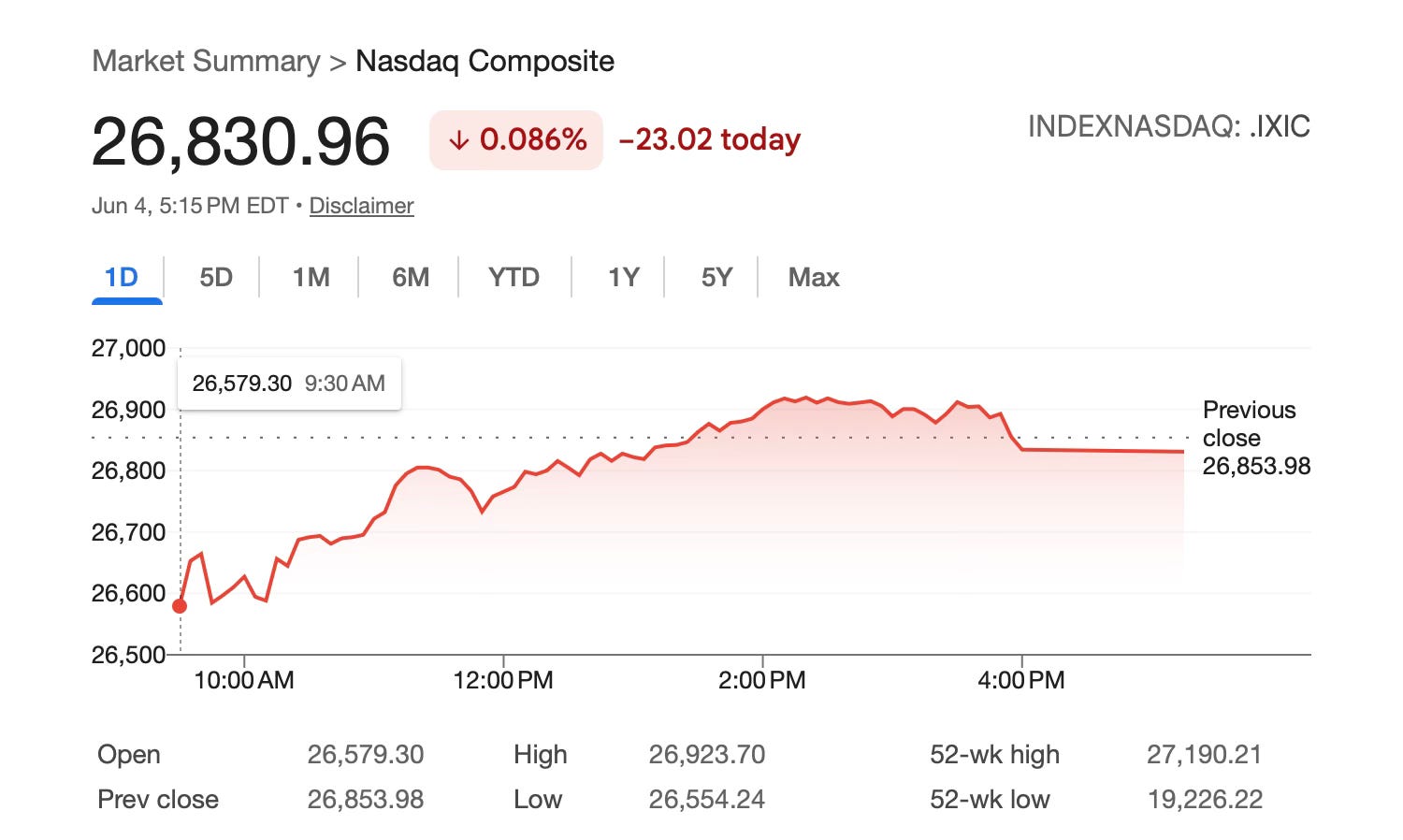
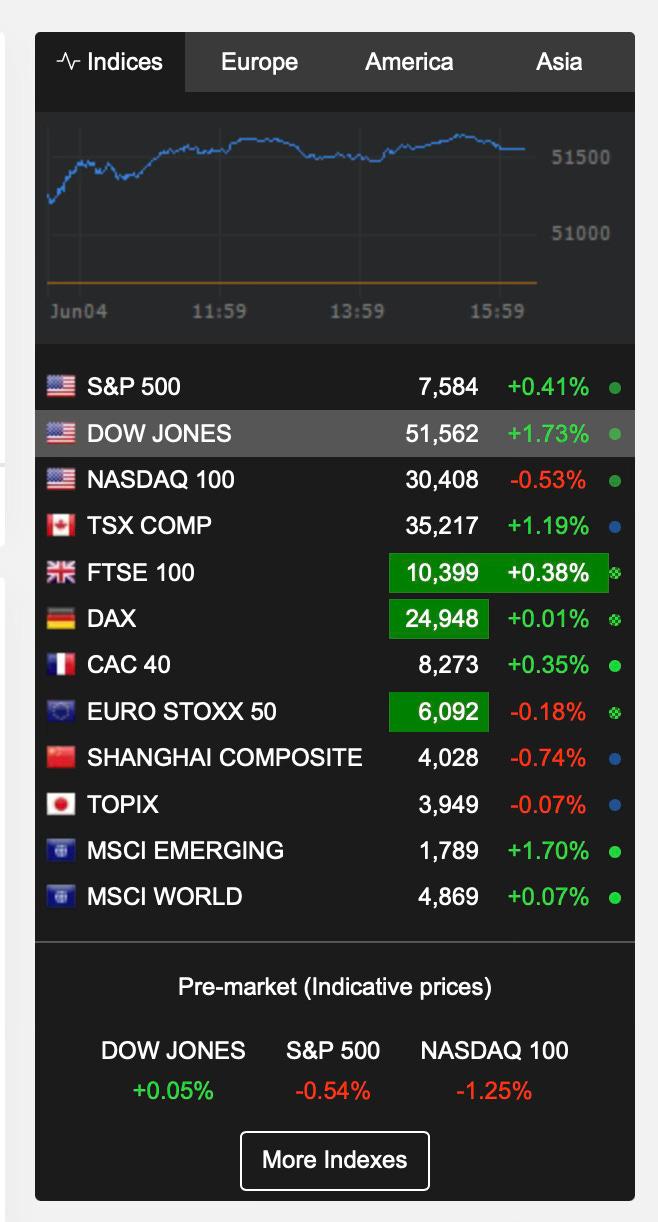
Equities, meanwhile, were much calmer. A morning snapshot showed the S&P 500 ETF up about 0.4%, the Dow ETF up about 1.7%, and the Nasdaq 100 ETF down about 0.5%, as AI enthusiasm cooled but did not break the broader risk appetite. That is the disconnect to watch: oil is pricing disruption while stocks are still pricing containment. If crude keeps rising while equities stay calm, ordinary households will feel the squeeze first — through fuel, food, shipping, utilities, and another round of inflation pressure.
The Fed is trapped in the middle. Economists expected May payrolls to slow to roughly 85,000 jobs, with unemployment holding near 4.3%, while inflation remains above 3% and still well over the Fed’s 2% target. That leaves markets betting on resilience, households absorbing higher costs, and policymakers facing the ugliest combination of slower hiring, sticky inflation, and oil prices that can make both worse.
Send us a coffee or tea via our QR code ☕️
Have a tip, idea, or something you want us to dig into? Want to collaborate? Want to advertise with us? Hit reply, send us a message—we read everything. Need a tailored briefing, want a consult, contact us so we can craft a solution to fit your needs.