Five Things That Mattered This Week | June 12, 2026
More diplomacy whiplash, ancient city of Tyre in the crosshairs, Bulgaria halts Ukraine arms flow. There's been protests, arrests. Plus, World Cup in the thick of it and art!
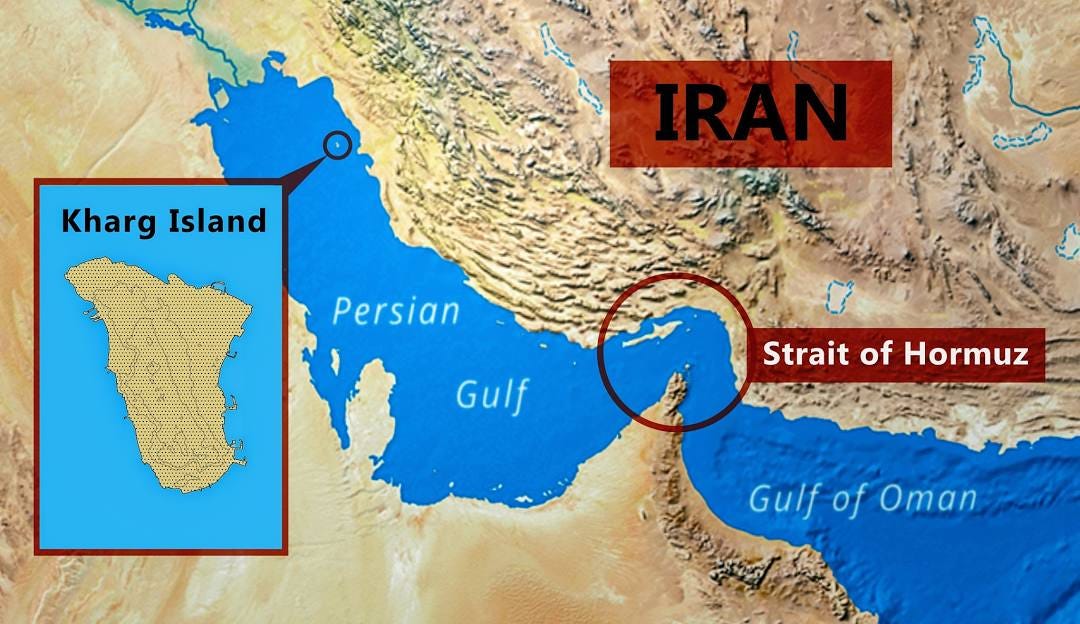
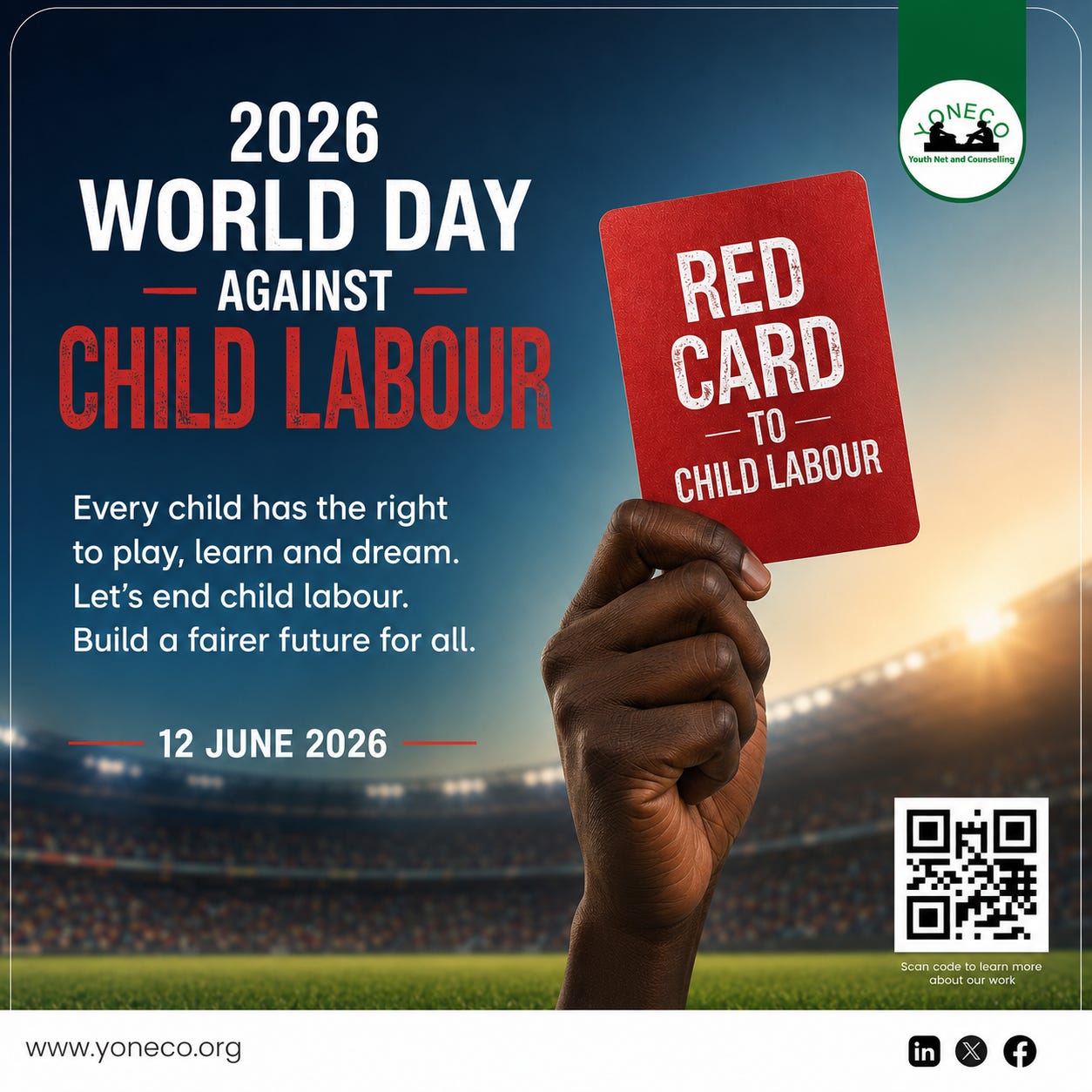
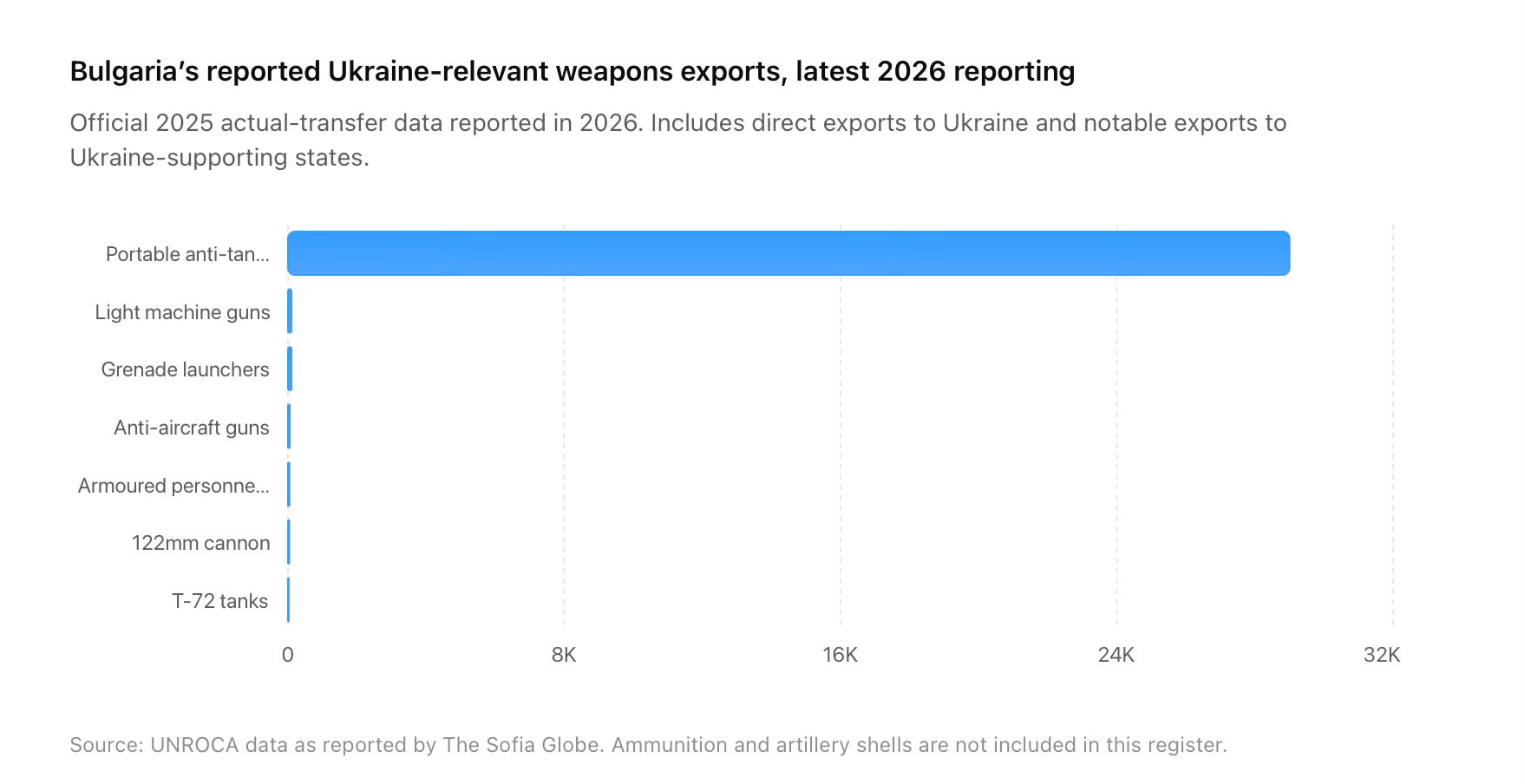
The Iran story has moved at the speed of whiplash this week. A U.S. sea-drone rescue near Hormuz, explosions across Iran, threats against Kharg Island, then Trump abruptly calling off new strikes and claiming a deal was close. Then there was a deal. Iran said “no”. Lebanon is being baked into the Iran deal. Israel struck Tyre on a chase to obliterate Hezbollah operations in the ancient city. Bulgaria, a major weapons exporter, is reneging on a previous commitment to supply Ukraine with armored vehicles, Gvozdika self-propelled howitzers, anti-aircraft guns, anti-Tank and portable rocket launchers, grenade launchers, and anti-tank guided missiles alongside other small arms, mortars and ammunition. The Flamingo Revolution marches forth. Afghani women protest. It’s World Against Child Labour Day. World Cup has North American stadiums in mania, the field plays political host.
We’ve got art, sport, economics, leaked memos, arrests and protests to delve into!
Thank you for reading this far. Paid subscribers get full access to Grounded Perspectives and our Friday wrap ups, plus much more. If you’re so inclined, throw a couple coins into our human battery fund — also known as mochas and green teas. We’re glad you’re here.
Until next week, keep watch, keep heart, keep the thread.— Ali & Asli
Don’t doomscroll. Let us do it for you!
Antonee “Jedi” Robinson gave the U.S. its World Cup send-off thunderbolt. In the Americans’ final tune-up before the tournament, the Fulham left back smashed a first-time left-footed volley from outside the box to pull the USMNT level against Germany in Chicago. The U.S. still lost 2-1, but Robinson’s strike did what a friendly result could not. It reminded the home crowd that this team has danger, speed and nerve when it plays forward. For a U.S. side trying to turn a home World Cup into a national soccer moment, “Jedi” gave them the kind of goal that travels. A rocket, a release valve, and a little belief before the real games begin.
The U.S. is in Group D with Paraguay, Australia, and Türkiye.
Their group schedule is:
June 12: USA vs. Paraguay — Los Angeles, 9 p.m. ET
June 19: USA vs. Australia — Seattle, 3 p.m. ET
June 25: Türkiye vs. USA — Los Angeles, 10 p.m. ET
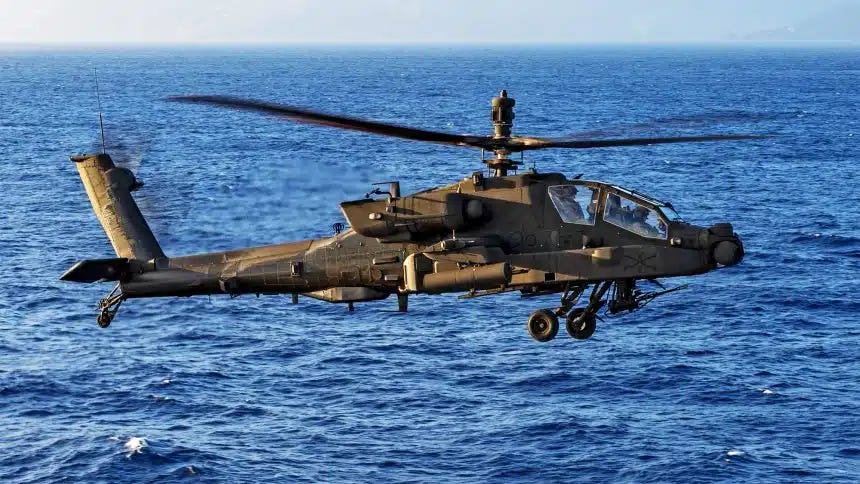
🎯 From Apache Crash to Ceasefire Gambit: Hormuz Drives the Week (Again!) | A U.S. Navy sea drone rescued two crew members from an Army AH-64 Apache that went down near Oman while patrolling regional waters, in what U.S. officials described as the military’s first rescue of its kind by an unmanned surface vessel. CENTCOM said both soldiers were rescued within about two hours and were in stable condition. The cause remained under investigation. A U.S. official described the incident as a “collision with an Iranian drone” and said it was “not yet clear” whether it was intentional.
This Substack is reader-supported. To receive new posts and support our work, consider becoming a free or paid subscriber.
U.S. Army AH-64 Apache operating over the sea. (via U.S. Navy)
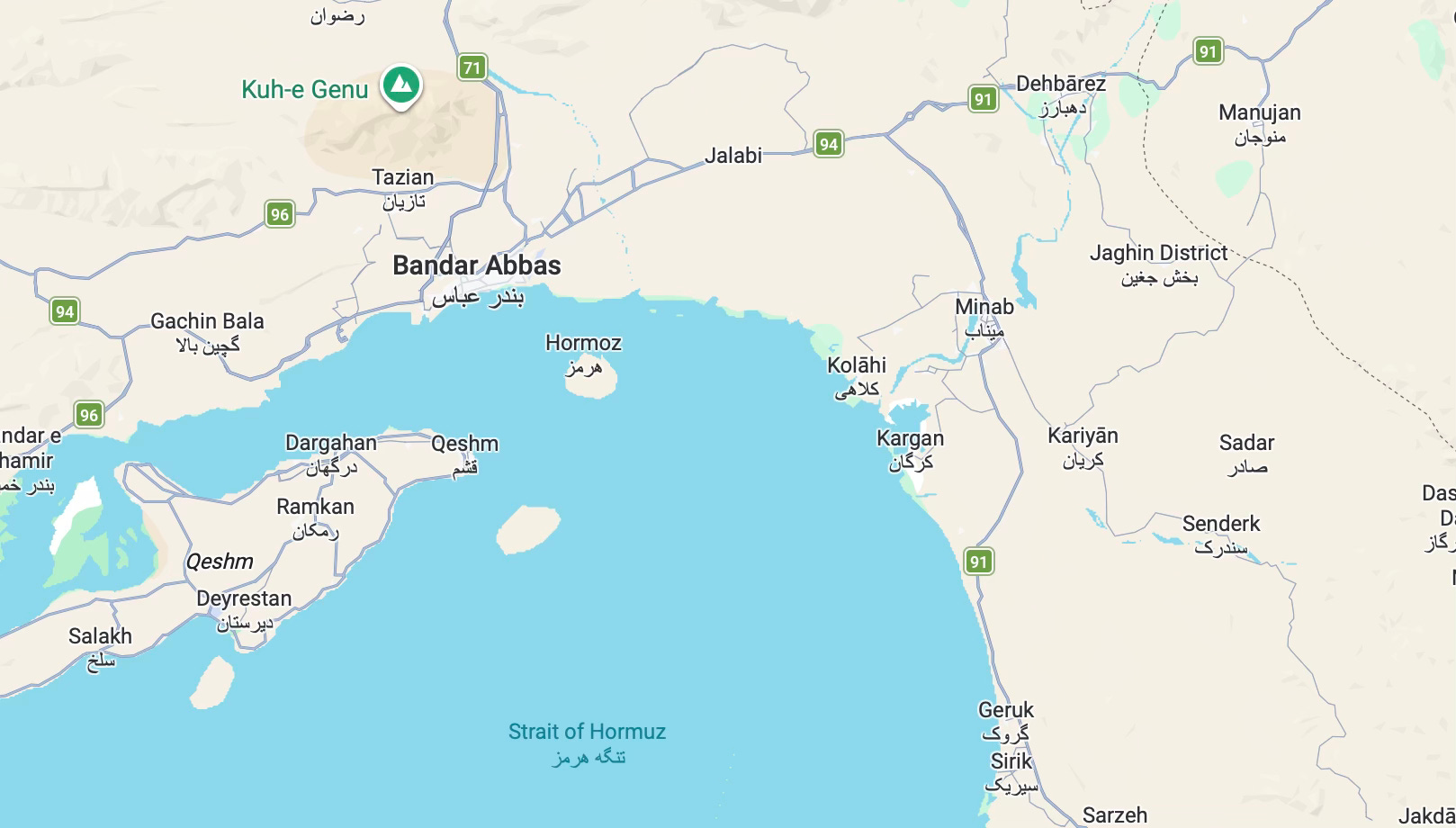
The rescue quickly turned into a wider military exchange. The U.S. launched strikes on Iranian military surveillance, communications and air-defense targets, while Iranian media reported explosions in Sirik, Kargan, Bandar Abbas, Minab, Varamin and Karaj. Additional explosions were reported around Tehran and other southern areas near the Strait of Hormuz, along with strikes and air-defense activity in Hormozgan province, including Qeshm Island and Jask.
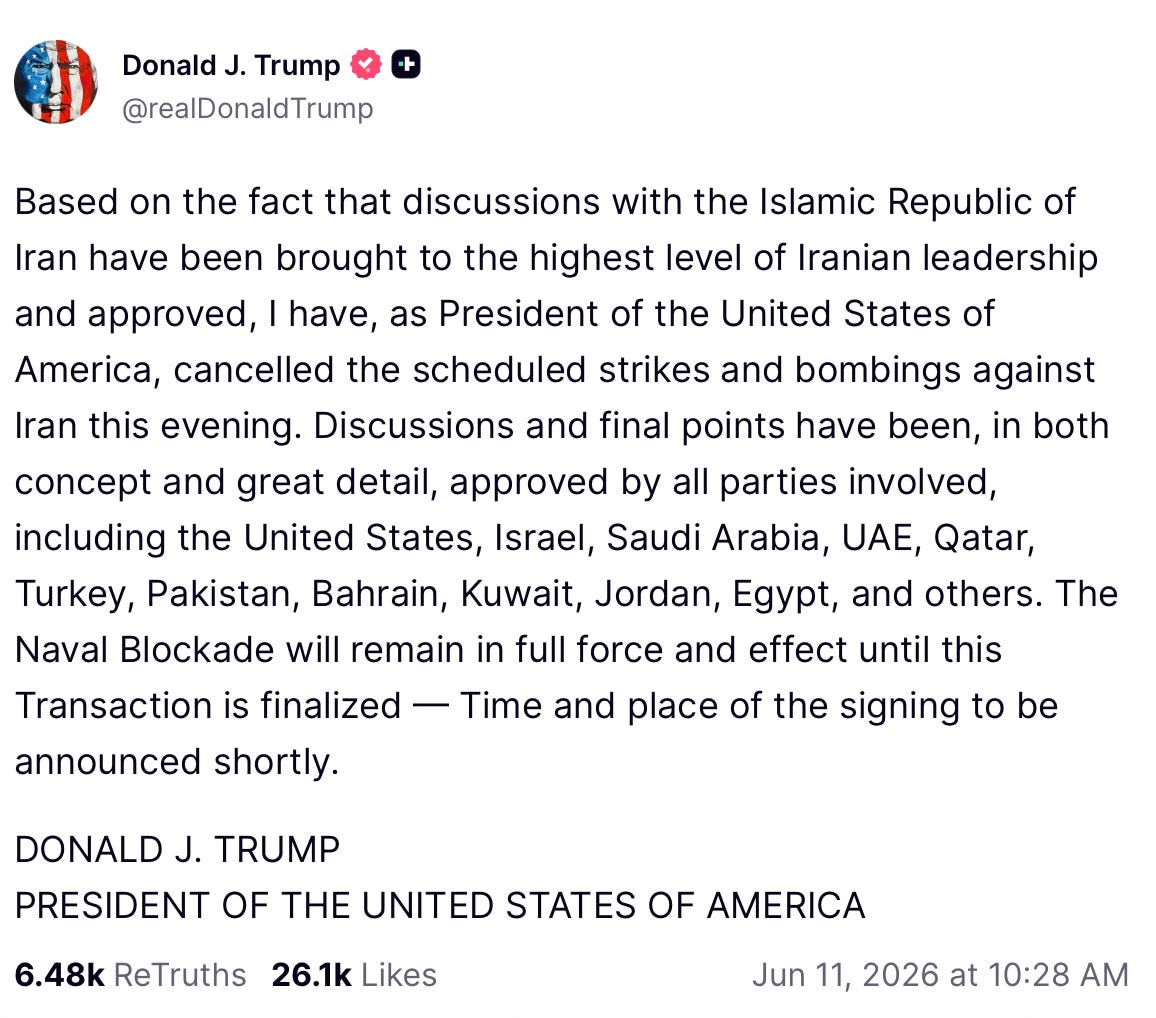
Hours after threatening to hit Iran “VERY HARD TONIGHT” and float taking control of Iranian oil infrastructure, Trump then said he had called off planned strikes because talks had reached Iran’s highest leadership and “final points” had been approved. Fars News Agency, mouthpiece of the Iranian regime, denied that any preliminary memorandum had been approved.
This coercive diplomacy is beingused to create negotiating leverage, with the Strait of Hormuz as the central bargaining chip. Oil prices fell after Trump called off the strikes, but the underlying risk remains. This waterway handles about 20% of global oil and gas shipments, Iran has threatened vessels attempting transit, and the U.S. says commercial ships are still moving through despite Tehran’s claims.
The Iran deal is now in the leaked-memo phase, which means it is close enough to fight over, but not done.
"The terms that Iran leaked out to the Fake News have NOTHING to do with the terms that were agreed to, in writing," Trump wrote on his Truth Social platform.
A draft agreement reportedly offers Iran sanctions relief and access to frozen assets in exchange for reopening the Strait of Hormuz, but the leaked terms appear to leave unresolved the hardest questions around enriched uranium, missiles and long-term verification. Trump is now distancing himself from the text, calling it inaccurate and too favorable to Tehran, while Iran says no final decision has been made. Oil markets are pricing in the possibility of a deal, but the politics are moving in the opposite direction: Israel is outside the talks, Iran wants Lebanon included, and Trump is trying to sell de-escalation without looking like he conceded.
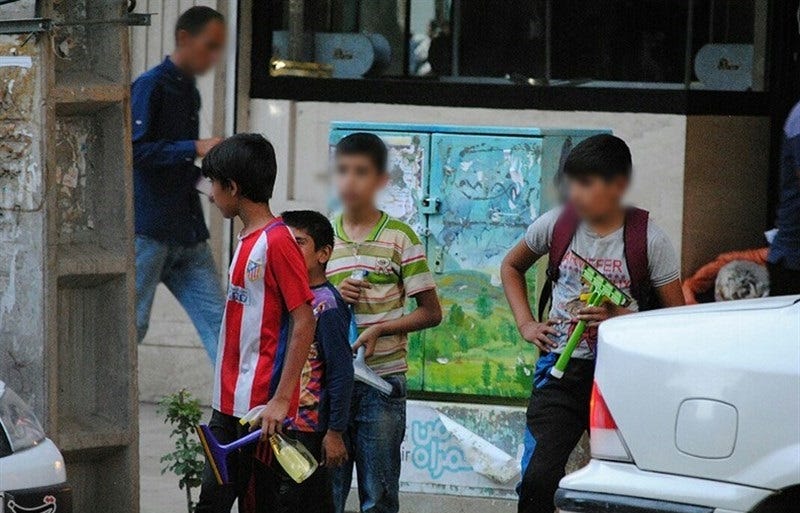
Child laborers on the streets of Iran | image via Wikipedia
World Day Against Child Labour lands hard in Iran. As the UN calls for “fair play for children” and decent work for adults, Iranian children remain visible in the country’s informal economy, selling goods on streets, sorting waste, working in workshops or helping families survive under inflation, poverty and collapsing protections. Afghan migrant children are among the most vulnerable, caught between labor exploitation, school exclusion and police pressure. The Iran story this week is not only missiles, oil and blackout infrastructure. It is also the quieter emergency of children absorbing the cost of a broken economy.
Even as diplomacy around Hormuz returns to the foreground, rights groups warn that Tehran is using the atmosphere of conflict to tighten control at home. Amnesty says Iranian authorities have used “wartime conditions” to intensify mass arrests, unfair trials, politically motivated executions, harsh prison sentences and asset seizures. At least 78 protesters, dissidents and people accused of opposition links remain under death sentences, including 41 arrested in connection with the January 2026 protests. Evin Prison remains one of the clearest symbols of that pressure. Human Rights Watch has warned that thousands of detainees, including political prisoners and children, face danger not only from outside strikes but from arbitrary executions and abuse by Iranian authorities, while Iran International reported that eight women political prisoners in Evin were recently barred from family and lawyer visits after collective protest activity inside the ward.
For women, the threat is both political and bodily. The state’s campaign against dissent overlaps with compulsory veiling enforcement, surveillance, prison pressure, denial of medical care and punishment of women who refuse to disappear from public life. That means any “deal” over Hormuz cannot be read only through oil, missiles and bases. The people most exposed are still the protesters, prisoners, women and families already paying the price inside Iran.
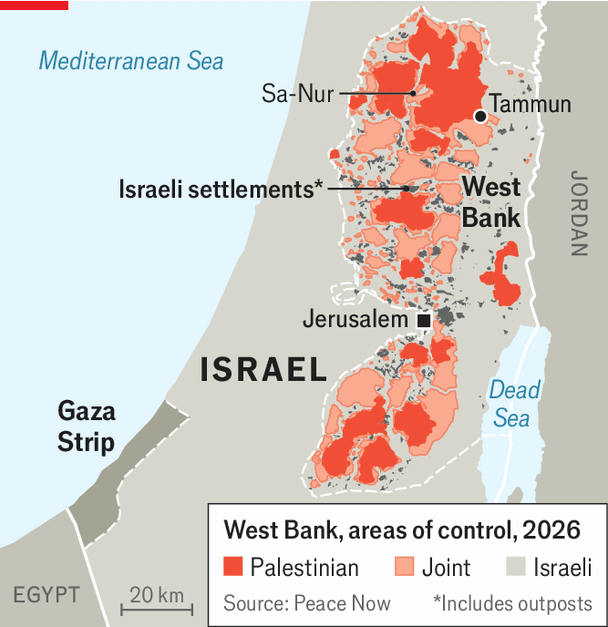
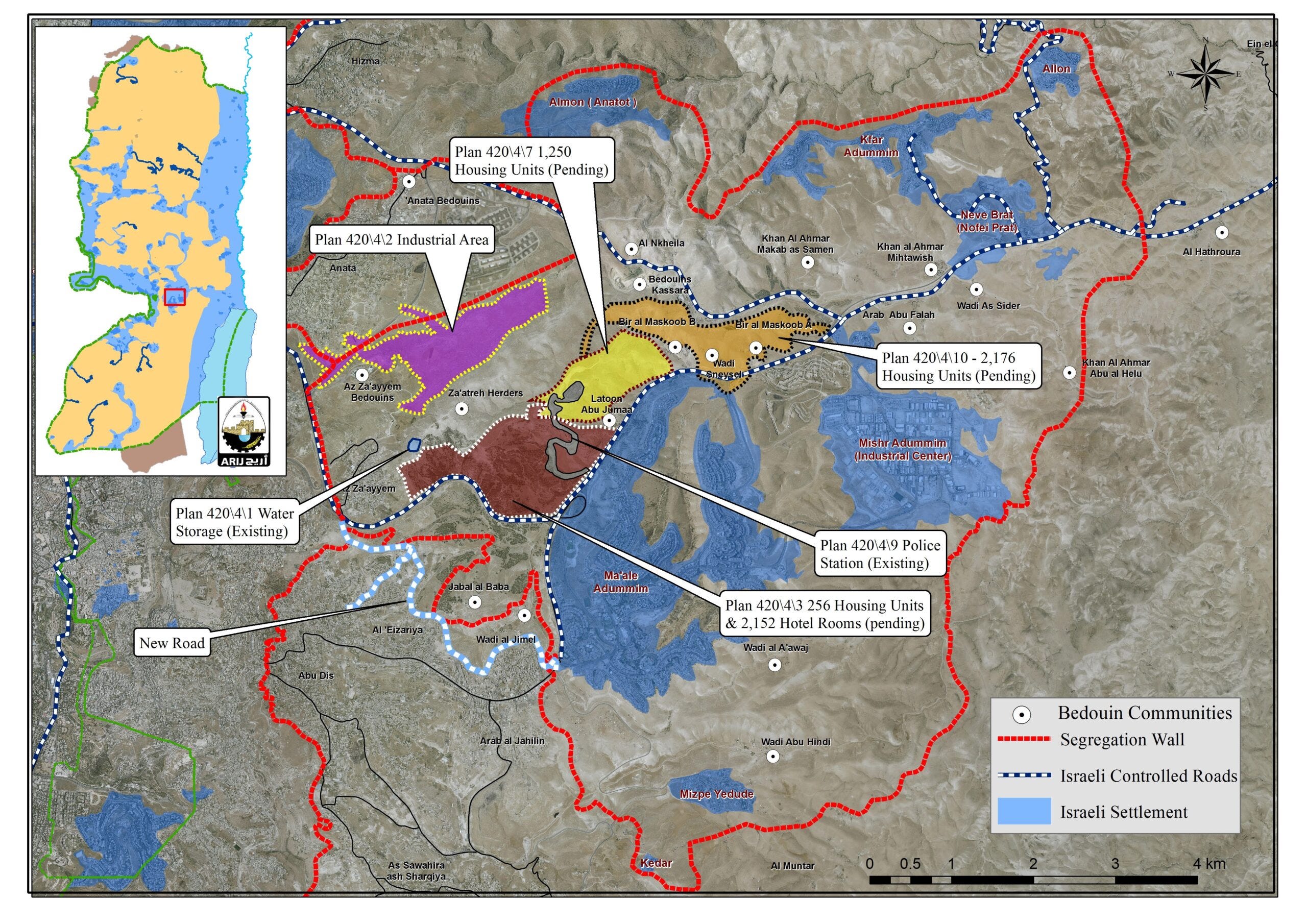
🎯 Western allies are tightening pressure over West Bank settler violence.The United Kingdom, Canada, France and Norway announced coordinated sanctions targeting Israeli networks accused of financing, enabling and carrying out violence against Palestinians in the occupied West Bank, following related moves by Australia and New Zealand. The measures include asset freezes, travel bans and restrictions aimed at disrupting the financial infrastructure behind extremist settler groups. France also barred Israeli Finance Minister Bezalel Smotrich, along with settler leaders and individuals accused of violence, from entering the country. The move signals a widening split between Israel and several Western allies over settlement expansion, settler impunity and the future viability of a Palestinian state. Especially as Israel weighs new funding for West Bank settlement infrastructure and the E1 project remains a central flashpoint.
E1 (East 1 | מְבַשֶּׂרֶת אֲדֻמִּים Mevaseret Adumim), also called the E1 area, E1 zone or E1 corridor, is an area of the Israeli-occupied West Bank
The sanctions also land inside Israel’s own political fracture. This is not only a dispute between Israel and Western governments. It is also a fight within Israel over what Netanyahu’s coalition has empowered. The far right is pushing settlement expansion, annexation logic and legal impunity in the West Bank, while opposition lawmakers, protest movements, hostage families and rights groups are already challenging Netanyahu over war management, democratic erosion and international isolation. That makes settler violence more than a security issue. It has become part of the domestic argument over whether Netanyahu is governing Israel or being held in place by the most extreme forces in his coalition.
🎯 Europe’s sanctions are moving from money to manpower. The EU’s latest Russia package would ban anyone who has served in the Russian armed forces since the Ukraine invasion from entering the bloc, the first proposed EU-wide entry ban aimed at Russia’s military class as a whole. The measure still needs member-state approval, but the signal is clear. Europe is treating Russian combat experience not only as a record of participation in the war, but as a future security, intelligence and organized-crime risk inside the Schengen space.
"Europe's door should not be open to Russia's (ex-)combatants." — Kaja Kallas
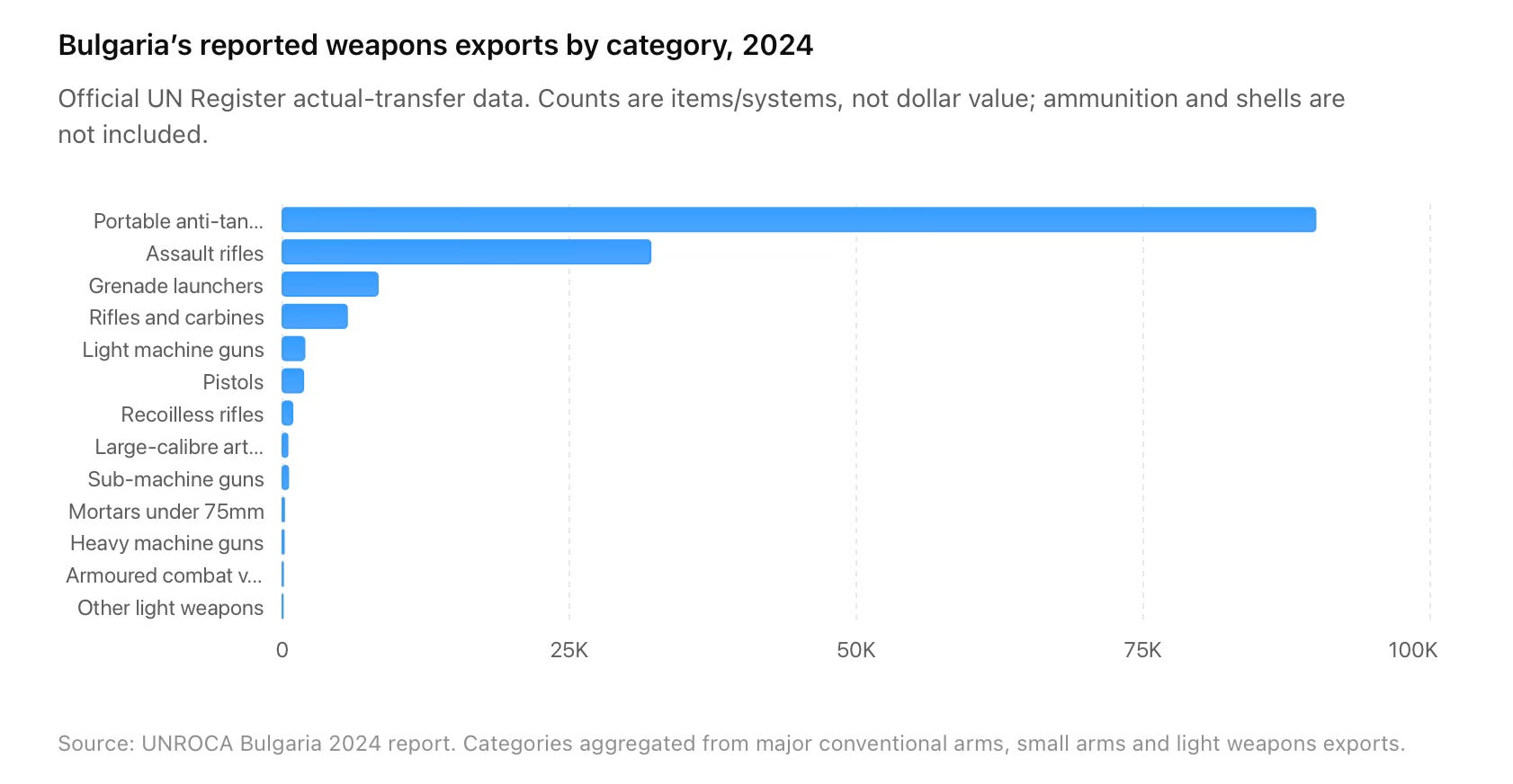
🎯 Bulgaria is pulling back from direct weapons aid to Ukraine, putting a price tag on Europe’s political fatigue. The new government says it will stop sending arms from Bulgarian army stocks, after earlier transfers of Soviet-era weapons, ammunition, air-defense missiles and other equipment helped Kyiv and brought Sofia roughly €500 million in expected compensation or revenue over three years, including €174 million from Denmark for two Ukraine-related military aid contracts. The move is not simply about “EU money”. Some Bulgarian transfers were compensated through the EU’s European Peace Facility, while other flows moved through partner states, commercial contracts and intermediaries. The bigger signal is political. Another EU and NATO member is testing how far it can retreat from arming Ukraine while still benefiting from Europe’s defense-reimbursement machinery and remaining formally inside the Western camp.
The reversal runs through Radev. Bulgaria signed a 10-year security cooperation agreement with Ukraine in March, but the new government of Prime Minister Rumen Radev is now pulling back from direct weapons transfers. Radev claims Europe should push negotiations instead. His defense minister echoed that line almost verbatim, saying Bulgaria will no longer send weapons from army stocks. The result is not a total break with Kyiv though, as commercial defense cooperation and EU-linked reimbursement channels may continue but it is definitely a political reset and realignment. Sofia is moving from security partner to reluctant supplier under a leader who wants Bulgaria inside the EU and NATO.
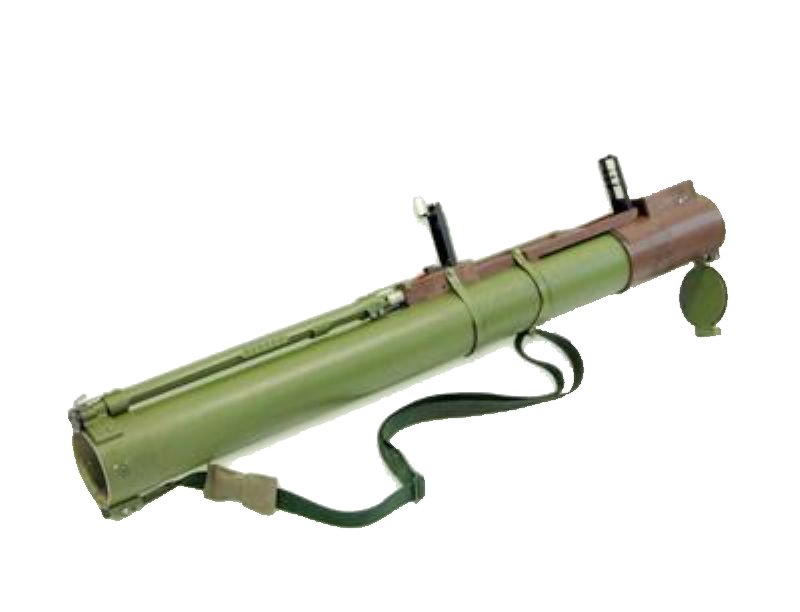
Bulgarian Bullspike-AT disposable 72.5mm man-portable grenade launcher. Upgraded, reloadable iterations of the Soviet-era RPG-22 have been heavily supplied to Ukrainian frontline units.
Bulgaria’s most strategically important exports may be the least visible in the charts above. Shells, ammunition and Soviet-caliber supplies that do not show up in the headline weapons register but remain central to Ukraine’s war effort.
Just two months after Sofia signed a 10-year security cooperation agreement with Kyiv, pledging continued military support, joint weapons production, training and defense-industrial cooperation, Bulgaria’s new government says it will stop sending weapons from its army stocks.
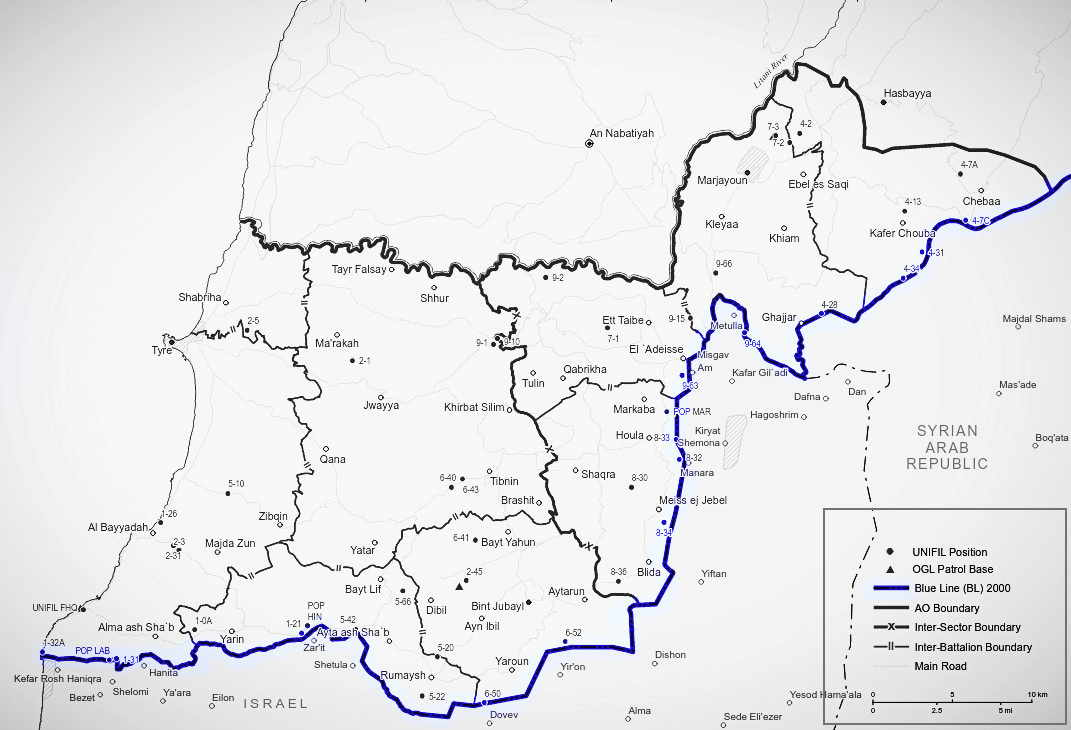
Tyre is not just another southern Lebanese city. Tyre is ancient, symbolically loaded, religiously mixed, home to Palestinian refugee camps and historic Christian neighborhoods, and contains UNESCO-linked archaeological sites. It is about 4,776 years old.
“Israel said it was targeting Hezbollah. On one street, there's nothing standing. Even the dead trees are covered in concrete dust.” — Jane Arraf, NPR, walking in Tyre post-strike
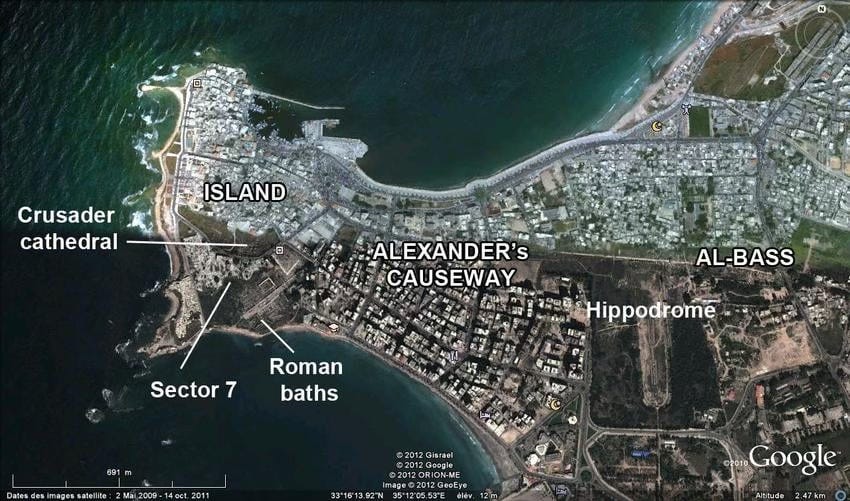
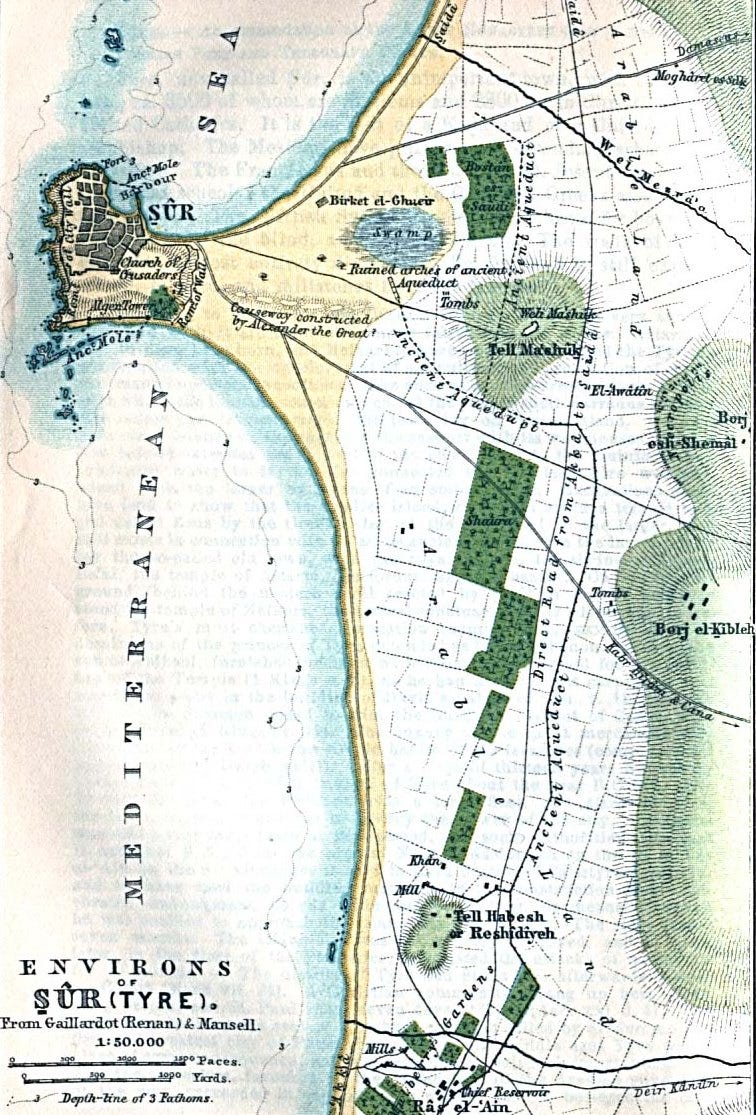
Tyre sits on Lebanon’s Mediterranean coast, on what was once the Phoenician shoreline. Occupied since the Bronze Age, the ancient port city was one of the great maritime centers of the eastern Mediterranean. It was a place of trade, empire, mythology and layered religious history long before it became a modern front line.
It’s important to understand the importance of Tyre to Hezbollah and why Israeli troops would be drawn the area. Tyre sits beside Lebanon’s Shiite heartland. Hezbollah is an Iran-backed Shiite group founded in 1982 by Iran’s Revolutionary Guards. The region east of Tyre is historically known as Jabal Amil. Hezbollah and Amal both draw heavily from southern Shiite communities, and their political and social networks run through towns and villages around Tyre even when the city itself is religiously mixed.
Hezbollah emerged in the early 1980s during Israel’s occupation of southern Lebanon, with Iranian backing, and built its legitimacy around “resistance” to Israel’s presence in the south.
It is also strategically useful. A coastal hub in the southern theater, Tyre is close enough to the Israeli border to matter militarily, connected to roads running north-south along the coast, and surrounded by villages where Hezbollah has long had influence. It is also close to Palestinian refugee camps. UNRWA identifies Burj al-Shemali as 3 km from Tyre, and says its Tyre-area operations affect Rashidieh, Al-Buss and Burj al-Shemali camps, which adds another layer of armed-group, political and humanitarian complexity.
Another aspect is that Tyre gives Hezbollah the protection and risk of civilian density. Urban areas make surveillance and targeting harder, but they also put civilians, churches, archaeological sites, refugee camps and ordinary neighborhoods in the blast zone.
After the 2006 Israel-Hezbollah war, U.N. Resolution 1701 became the basic framework, that the area between the Blue Line and the Litani River was supposed to be free of armed personnel except the Lebanese state and United Nations Interim Force in Lebanon (UNIFIL). In practice, Israel says Hezbollah entrenched itself there. Lebanon and Hezbollah say Israel’s occupation and strikes justify “resistance.” That unresolved contradiction is why every village, road and city in southern Lebanon becomes politically explosive.
The Israel Defense Forces take on UNSCR 1701
What Else Mattered This Week:
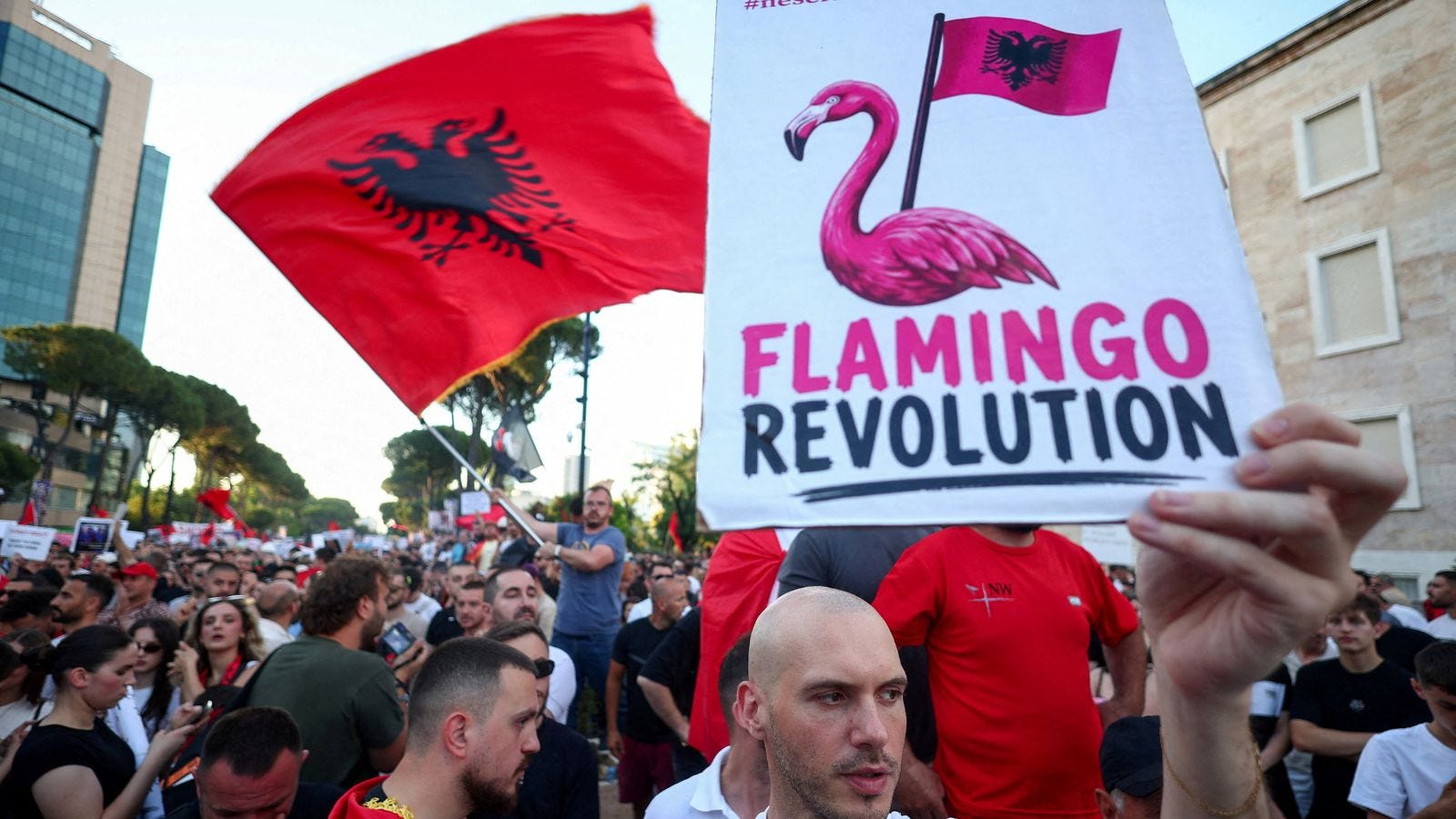
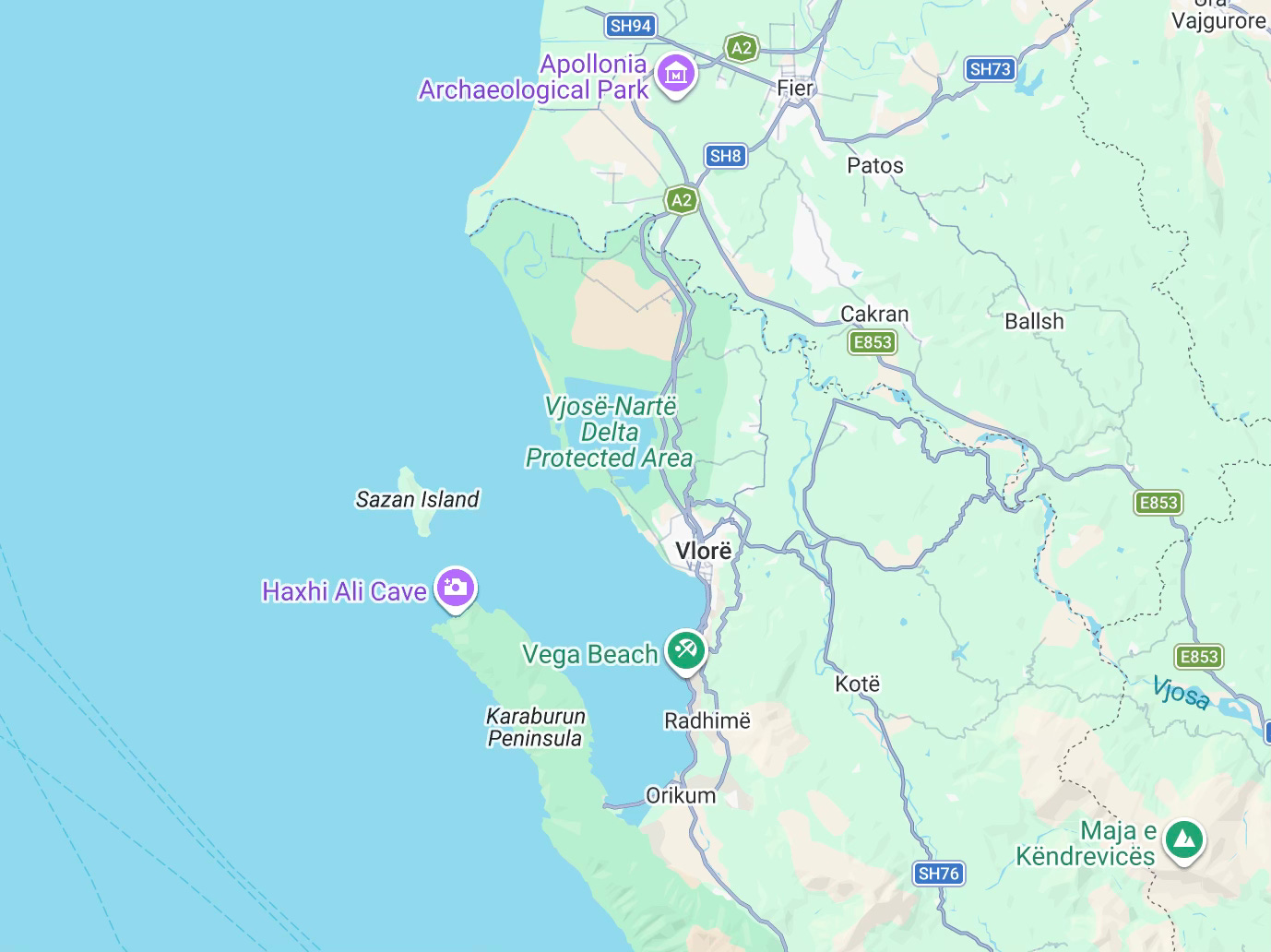
📍 The flamingos have come for Jared Kushner. Kushner-linked developers are pushing luxury developments on Sazan Island and near the Vjosa-Narta protected landscape, a sensitive coastal ecosystem of lagoons, dunes, migratory birds, sea turtles and monk seal habitat.
Albanians take to the streets to protest Jared Kushner-linked development plans for protected wetlands. Their movement has been dubbed the Flamingo Revolution. (via Reuters)
Prime Minister Edi Rama says the projects could help turn Albania into a high-end Mediterranean destination, but protesters say the country’s coastline is being handed to politically connected investors without transparency, public consultation or a completed environmental impact assessment. The dispute is now bigger than tourism. It is a test of Albania’s EU ambitions, its anti-corruption promises and whether one of Europe’s last wild coastal landscapes can survive the arrival of Trump-world real estate money.
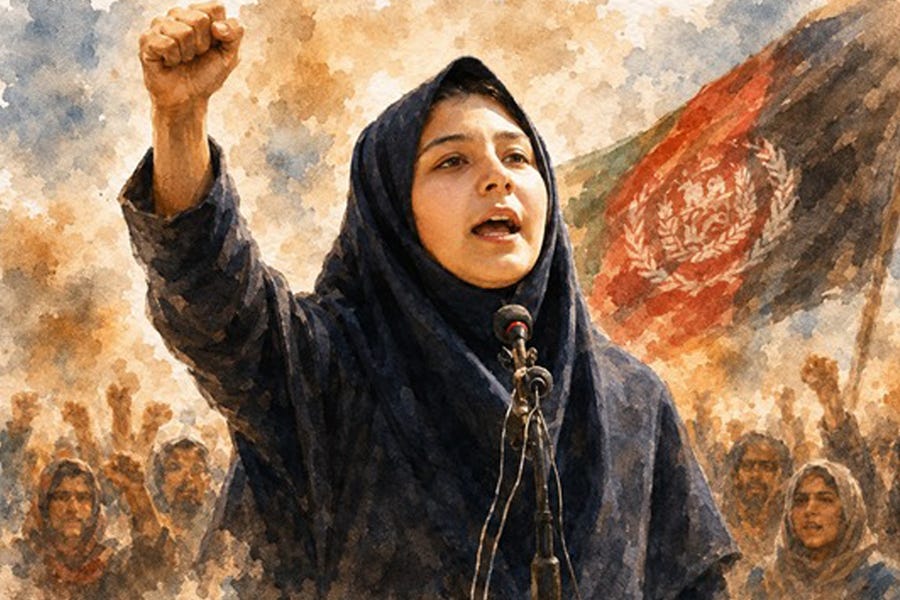
📍The Taliban opened fire on rare public dissent in Herat. Security forces in western Afghanistan cracked down on protesters angered by the detention of women and girls accused of violating the regime’s mandatory dress code, with witnesses and video appearing to show armed Taliban personnel firing on crowds and beating demonstrators with sticks.
At least one child was confirmed killed, with reports of a second death, including a woman, while several others were injured or detained. The protest was unusually bold: men and women reportedly joined chants for work, education and freedom, directly challenging the Taliban’s tightening control over women’s bodies, movement, schooling and public life. The crackdown makes Herat a warning signal. Nearly five years after the Taliban returned to power, even modest public resistance to gender rule can still be met with live fire.
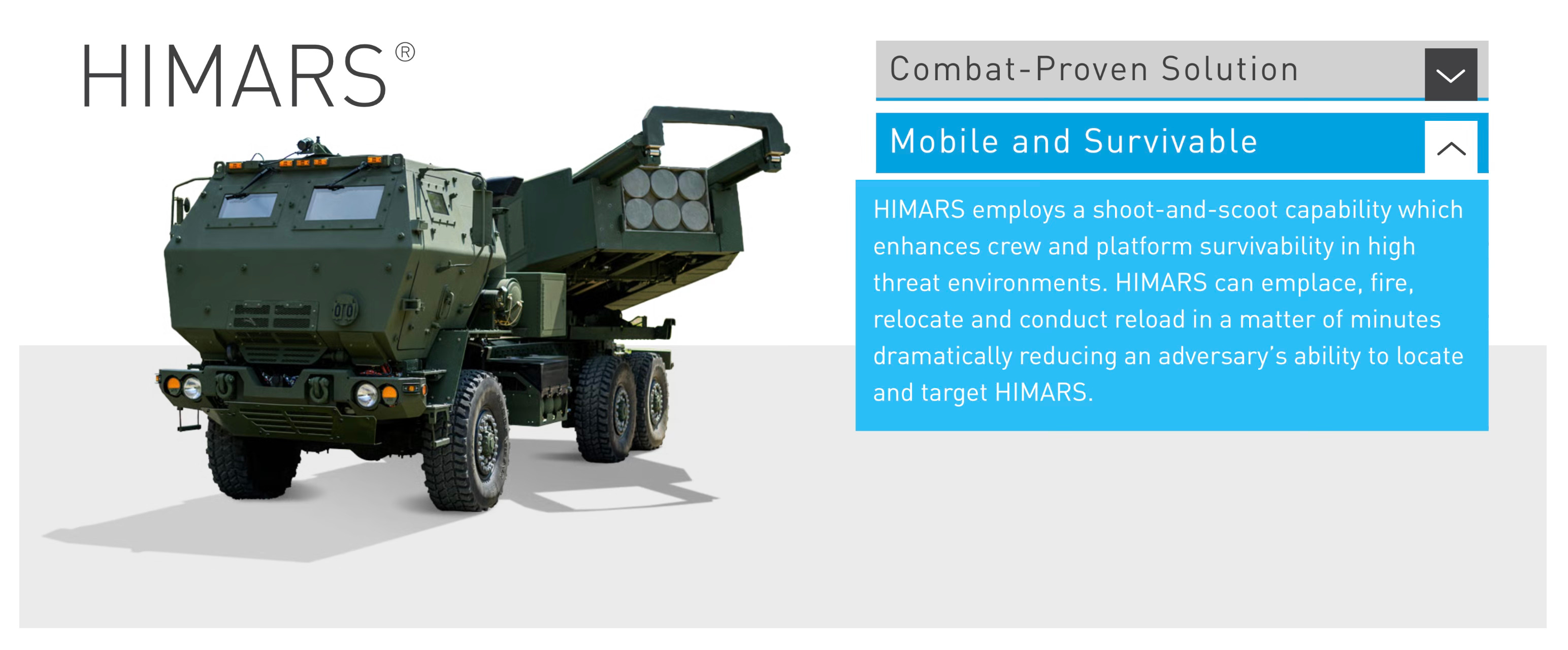
📍Taiwan put HIMARS on the China-facing coast. In a live-fire anti-invasion drill in Taichung, Taiwan fired its U.S.-made HIMARS rocket system from the island’s west coast for the first time, simulating strikes
on an invading Chinese force rather than attacking China itself. The symbolism was unmistakable at this point. The beaches and mudflats facing the Taiwan Strait are considered likely landing zones in any Chinese assault, and HIMARS gives Taiwan a mobile “shoot-and-scoot” weapon that can fire, relocate and survive counterstrikes. With a range of roughly 300 kilometers, the system could hit coastal targets in China’s Fujian province in wartime, making the drill less a provocation than a message. Taiwan is building a battlefield designed to punish an invasion before it reaches shore.
via Lockheed Martin
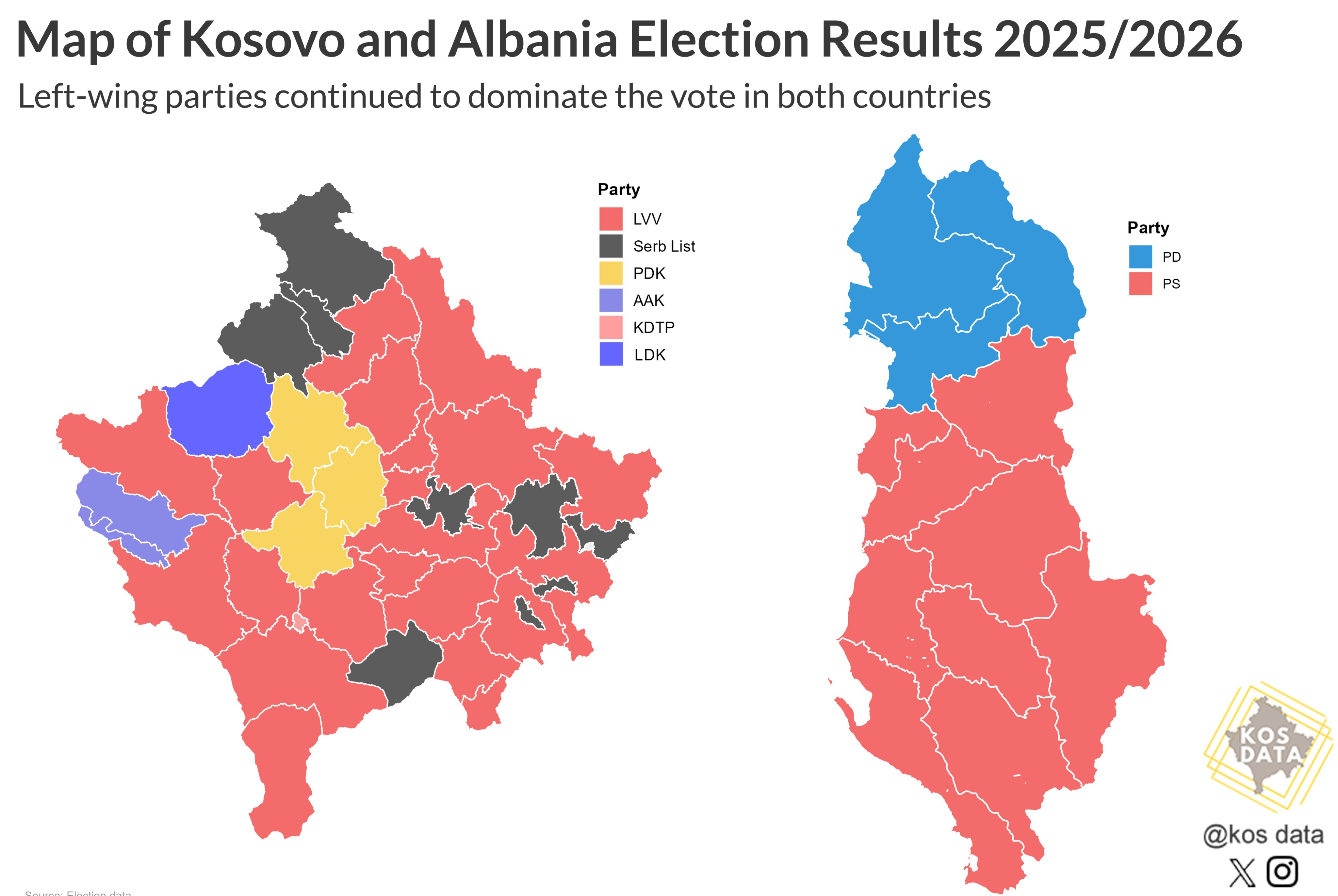
📍Kosovo voted. Again. Now comes the harder part. The EU called the election democratic and inclusive, but the result still leaves Kosovo facing the same basic problem. Kurti’s Vetëvendosje won the most votes without securing a clear majority. After three parliamentary elections in 18 months, voter fatigue is rising and EU-oriented reforms remain stuck behind political deadlock. For Brussels, the ballot only matters if it leads to a functioning government, and if that government can restart serious progress in the Belgrade-Pristina dialogue, the unresolved question still blocking Kosovo’s European future.
Vetëvendosje won about 43%, with the Democratic Party of Kosovo around 21% and the Democratic League around 18%, while turnout fell below 37% — a pretty loud sign of public exhaustion.
The EU-facilitated Belgrade-Pristina Dialogue is meant to produce a comprehensive, legally binding normalization agreement so both Kosovo and Serbia can advance on their European paths.
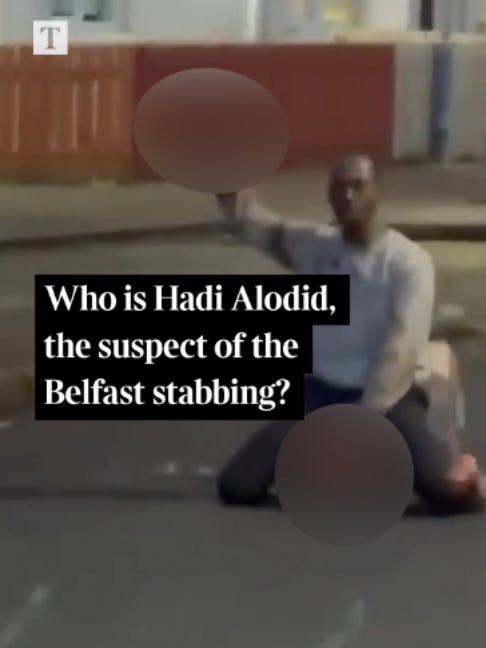
📍Belfast’s anti-immigrant violence exposed a new fault line in Northern Ireland. After a 30-year-old Sudanese man, Hadi Alodid, was charged in a knife attack that left a local man seriously injured, masked groups attacked homes, businesses and vehicles believed to belong to immigrants, forcing minority families to flee and leaving refugee communities terrified. Police deployed water cannon and plastic bullets after rioters threw petrol bombs and paving stones. Northern Ireland Secretary Hilary Benn condemned the violence as “racist thuggery.” The unrest carries an especially dark charge in Belfast, a city long defined by sectarian division. The old architecture of street intimidation is being repurposed against ethnic minorities, with social media amplification and anti-immigrant rumor acting as accelerant.
Thus far, there have been 16 arrests and 12 police officers injured, and said riots spread beyond Belfast to Derry and Coleraine.
The left’s new opening is economic betrayal, not ideology first. College graduates were sold a bargain. Take on debt, get the credential, enter the professional class, and stability would follow. Instead, many landed in a world of rent shocks, student loans, stagnant white-collar wages, fragile benefits, AI anxiety and policy choices that keep tightening around ordinary working people. That is the space politicians like Zohran Mamdani, Alexandria Ocasio-Cortez and the Democratic Socialists of America are moving into. Their pitch is not abstract socialism so much as a direct answer to the feeling that the American bargain has broken. Freeze the rent, raise wages, expand childcare, lower transit and grocery costs, rebuild labor power, and make government visibly choose workers over asset owners. Shrinking benefits and the threat that even white-collar work can be automated or degraded.
That anger is remaking class politics is that the “working class” is no longer only factory floors and service jobs, but also the adjunct, the nurse, the journalist, the nonprofit worker, the barista with a degree, the young professional who cannot afford the city they keep running.
The class politics are shifting because the disappointment is no longer confined to the old working class. It has reached the credentialed, indebted and underpaid. The very people who were told they had escaped precarity, only to discover they had financed their way into it.
Art of the Week
Your breath of fresh art and culture.
“Do the best you can until you know better. Then when you know better, do better.” — Maya Angelou
Celeste Woss y Gil’s Desnudo I (1941) Oil on canvas. Museo de Arte Moderno, Santo Domingo.
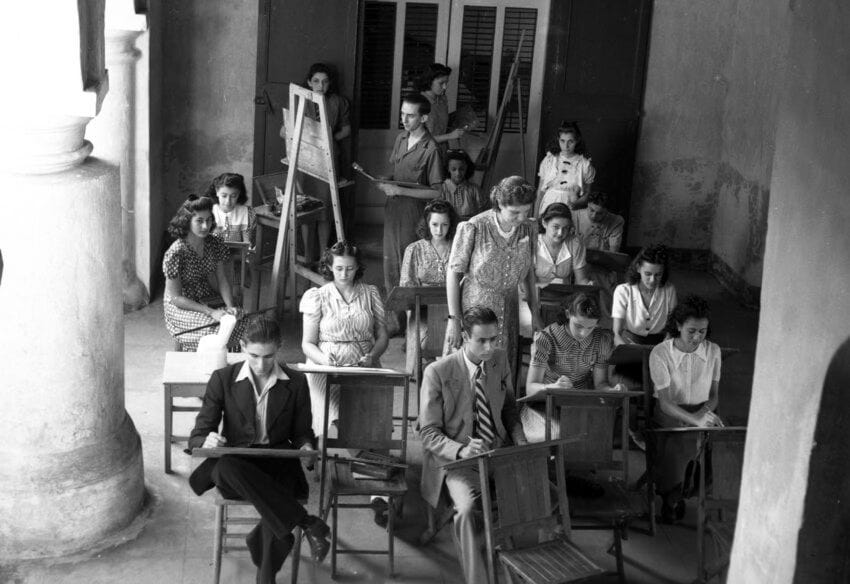
Celeste Woss y Gil’s class, with Clara Ledesma in the lower-left corner. Photograph by Kurt Schnitzer. Santo Domingo.
This week’s Dominican thread turns to Julia Alvarez’s In the Time of the Butterflies, a novel that understands dictatorship not only as public terror, but as something that enters homes, dances, daughters, sisters, silences and family memory. Alvarez’s portrait of the Mirabal sisters is not simply a story of martyrdom. It is a study of how courage forms under pressure, how women become dangerous to power by refusing to disappear, and how a country remembers what fear tried to erase. After a week shaped by repression in Iran and Afghanistan and beyond, Alvarez’s butterflies feel less like symbols from the past than warnings from history. Authoritarianism always reaches for women first, and memory is one of the first forms of resistance.
What to Watch Next Week:
What could break, what could shift, and what signals to watch this weekend
📌 Watch the paperwork, not the post. Trump says a deal is close, but Iran has not confirmed approval. The real test is whether Tehran, Qatar and Washington announce a formal text, signing venue, or sequencing plan.
Watch Hormuz traffic. The market reaction hinges less on rhetoric than on whether commercial vessels, oil tankers and LNG carriers can keep moving through the strait.
Watch Kharg Island. Trump’s threats around Iran’s main oil-export hub were walked back for now, but Kharg remains the escalation marker.
Watch Iran’s retaliation pattern. Tehran’s strikes on Bahrain, Kuwait and Jordan keep U.S. regional bases in the frame without necessarily forcing direct all-out war — a dangerous middle lane.
Spotlight on the Markets:
📌 Brent has fallen more than 3% to about $87 a barrel, down from $93.10 just two days earlier, while WTI slid to roughly $84.60. The relief trade was built on deal hopes, but the plumbing told a more militarized story: U.S. Energy Secretary Chris Wright said the U.S. military is helping move about 7 million barrels of oil per day out of the Persian Gulf, roughly half the oil stuck in the region, while no Iranian crude is currently exiting through Hormuz. Stocks liked the pause. MSCI’s global index rose 0.81%, and Europe’s STOXX 600 gained 1.9% but the market is still trading inside the Strait’s shadow.
Oil fell, stocks rose, and traders tried to price a ceasefire that does not fully exist yet. Trump’s decision to call off Iran strikes lowered the immediate war premium, but the underlying stress remains: Hormuz is still disrupted, Iranian crude is not flowing normally, and the U.S. military is helping move millions of barrels per day out of the Persian Gulf. This is not a normal energy market. It is a battlefield with a ticker symbol.
Send us a coffee or tea via our QR code ☕️
Have a tip, idea, or something you want us to dig into? Want to collaborate? Want to advertise with us? Hit reply, send us a message—we read everything. Need a tailored briefing, want a consult, contact us so we can craft a solution to fit your needs.
This Substack is reader-supported. To receive new posts and support our work here at Grounded Perspectives, consider becoming a free or paid subscriber.





 Tiktok failed to load.